Seeking Otherness: Latvian photographer Eva Duman on difference-seeking and soul-capturing
Photojournalism finds one of its fathers in the Scottish photographer John Thomson, who in 1873 travelled through rural China with one of the first portable cameras, a “dark mysterious instrument” which, combined with an intensified eyesight, held the power “to pierce the very souls of the natives, and to produce miraculous pictures by some black art” (John Thomson, Illustrations of China and Its People, 1873 to 1874).
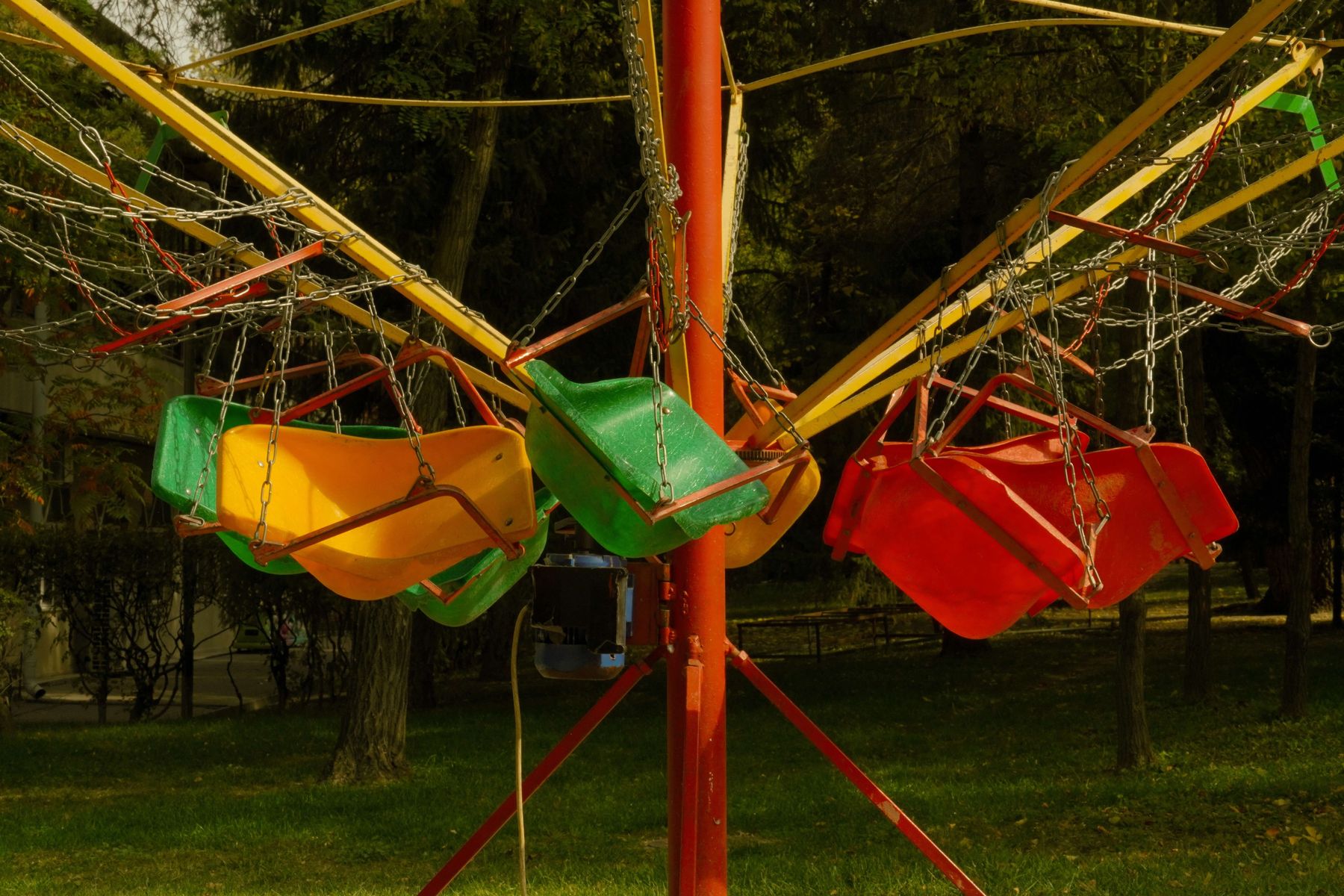
A century and a half later, Eva Duman travels in something of that same tradition, turning her intensified eyesight on the habitual, through a lens built to “discern similarities and distinctions in anthropological, religious, cultural, gastronomical and other traditions.” Duman's photography is motivated by “seeking the otherness” and letting “capturing life around become an integral part of life itself.” Soul resurfaces for Duman in Kazakhstan, though used to gesture at something gentler than anything Thomson's subjects feared.
EDI am drawn to otherness in all its forms. The further one travels from familiar territory, the more differences one encounters. Travelling lets me gradually piece together my own image of the world, attentive to how the habitual things can vary from place to place. I am driven by a desire to understand just how multifaceted the world is: to discover what is foreign to me yet ordinary to someone else.
The photographic canon has long been linked to ideas of truth and capture, of recording what is around one. Duman takes it a step further: “In exploring the world, I also explore myself: what my heart and soul are drawn to, what fascinates me, what stays with me, and sometimes what haunts me.”
****
Morocco
Photojournalism, for all its documentary aims, is often embedded in a habit of fixing images to match preconceived notions. That habit is easiest to fall into when travelling into the unfamiliar, applying one's own schema to what one sees. Duman faced an added constraint: new equipment, ten days in Morocco, and three rolls of film to stretch across it.
EDI studied the manual of my new gear, trying to avoid any chance of wasting a frame. It was important for me to live through this voyage by capturing everything that caught my attention. After all, it was the first time I had set foot on the African continent.
Despite the easy tendency to reproduce monuments or cliché imagery when travelling, and the extra difficulty of limited film, Eva resisted easy categorisation:
EDWith my photography, I am not attempting to create a cohesive image of a particular place. Rather, I am interested in creating a portrait of otherness, with varying degrees of familiarity reflected back to me.
Those three rolls, over ten days, produced this:
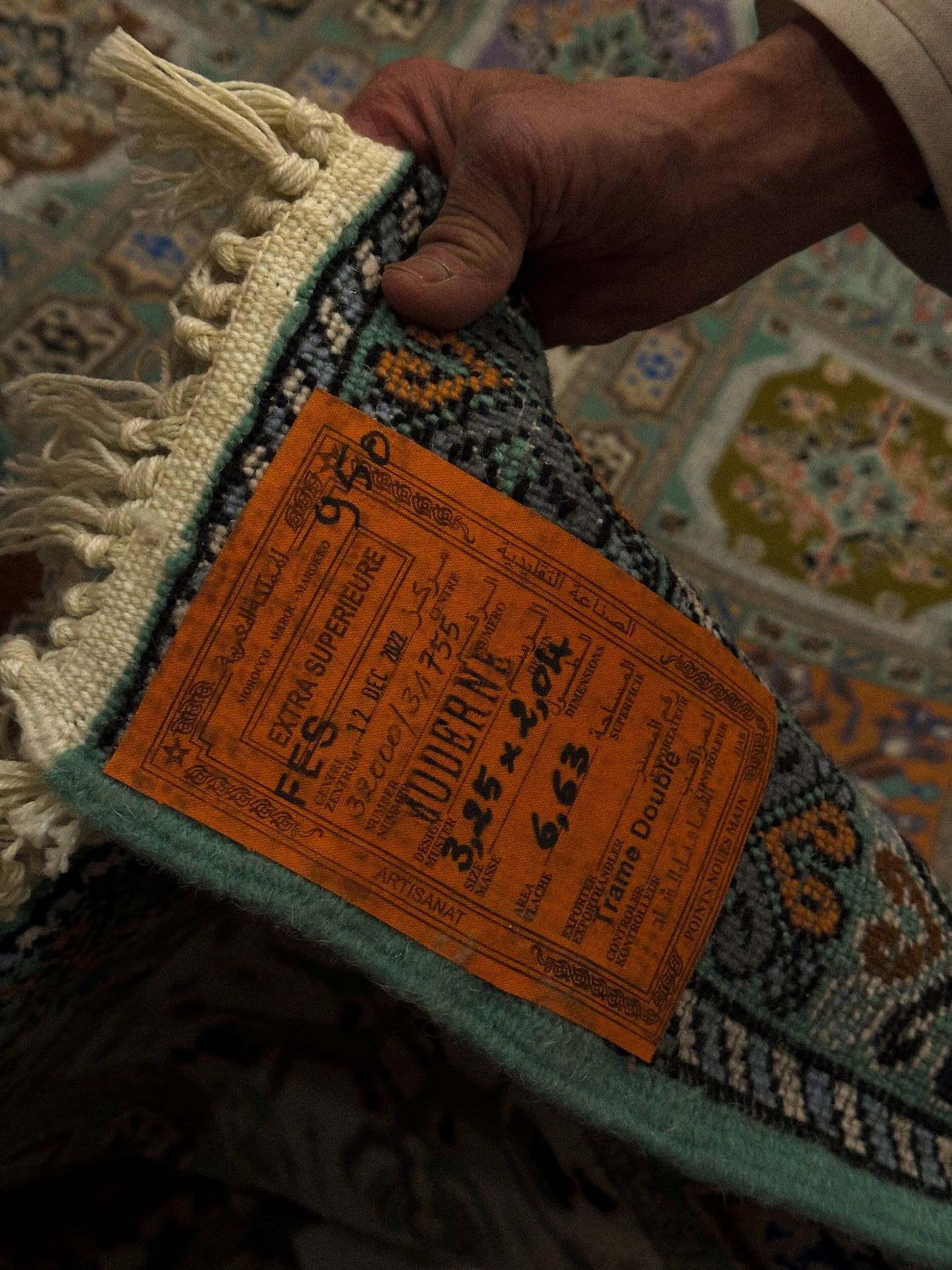
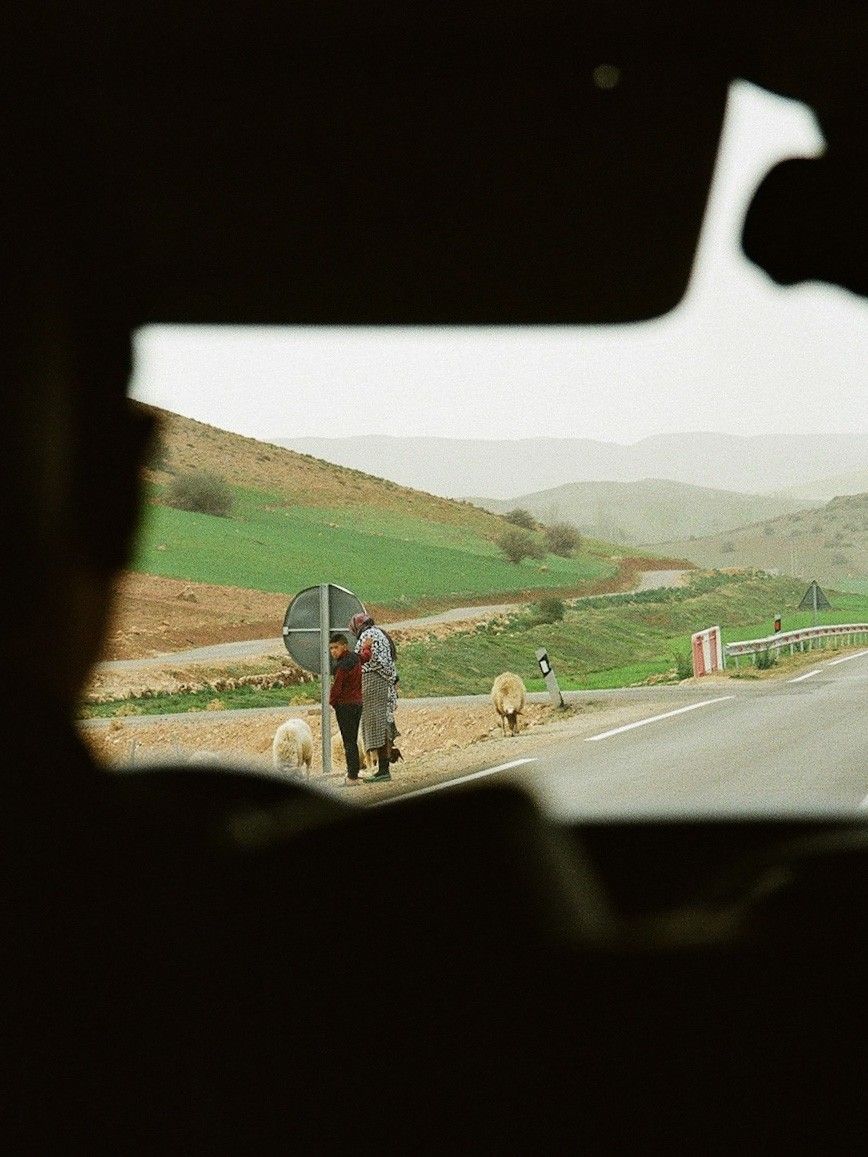
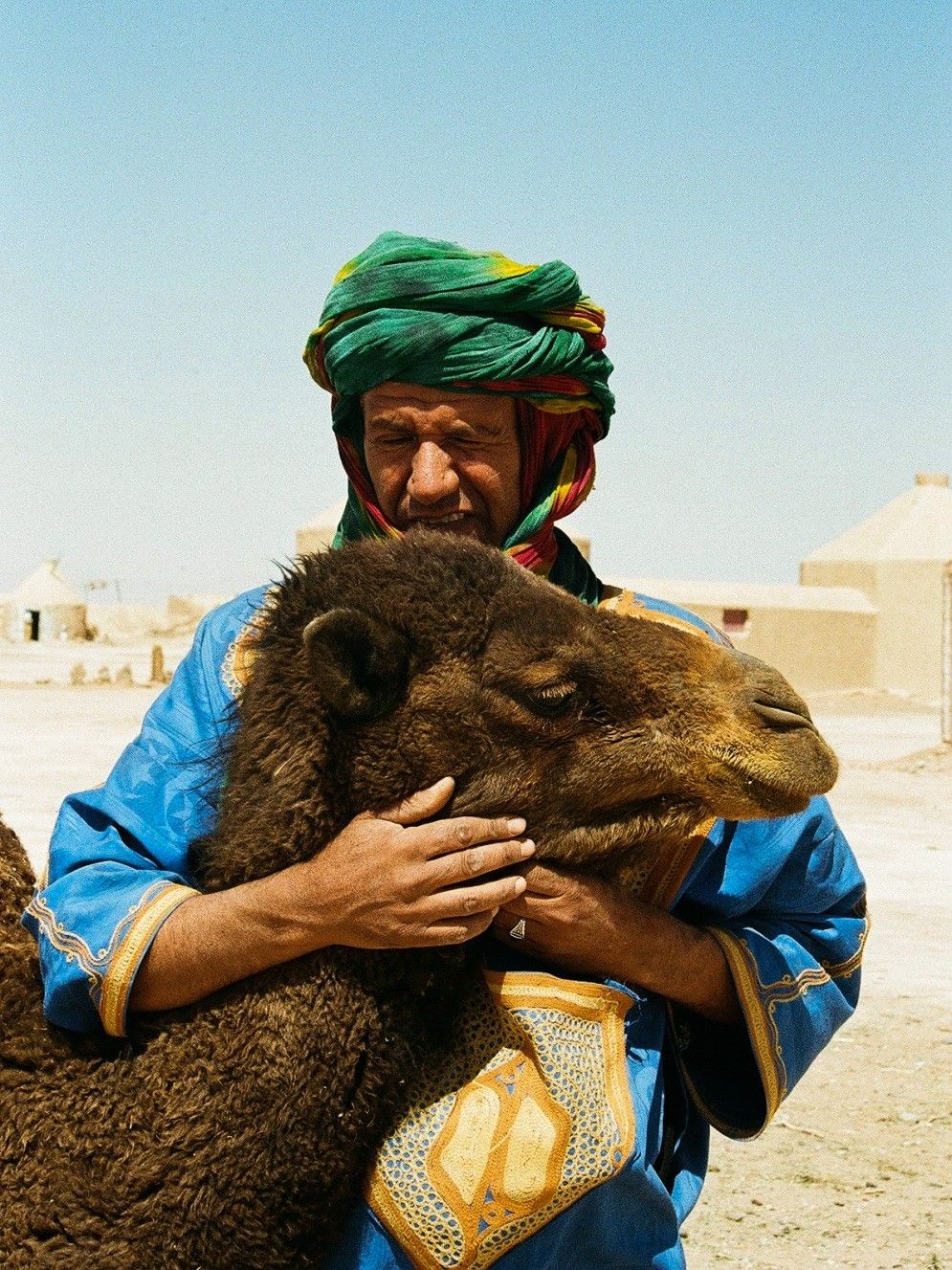
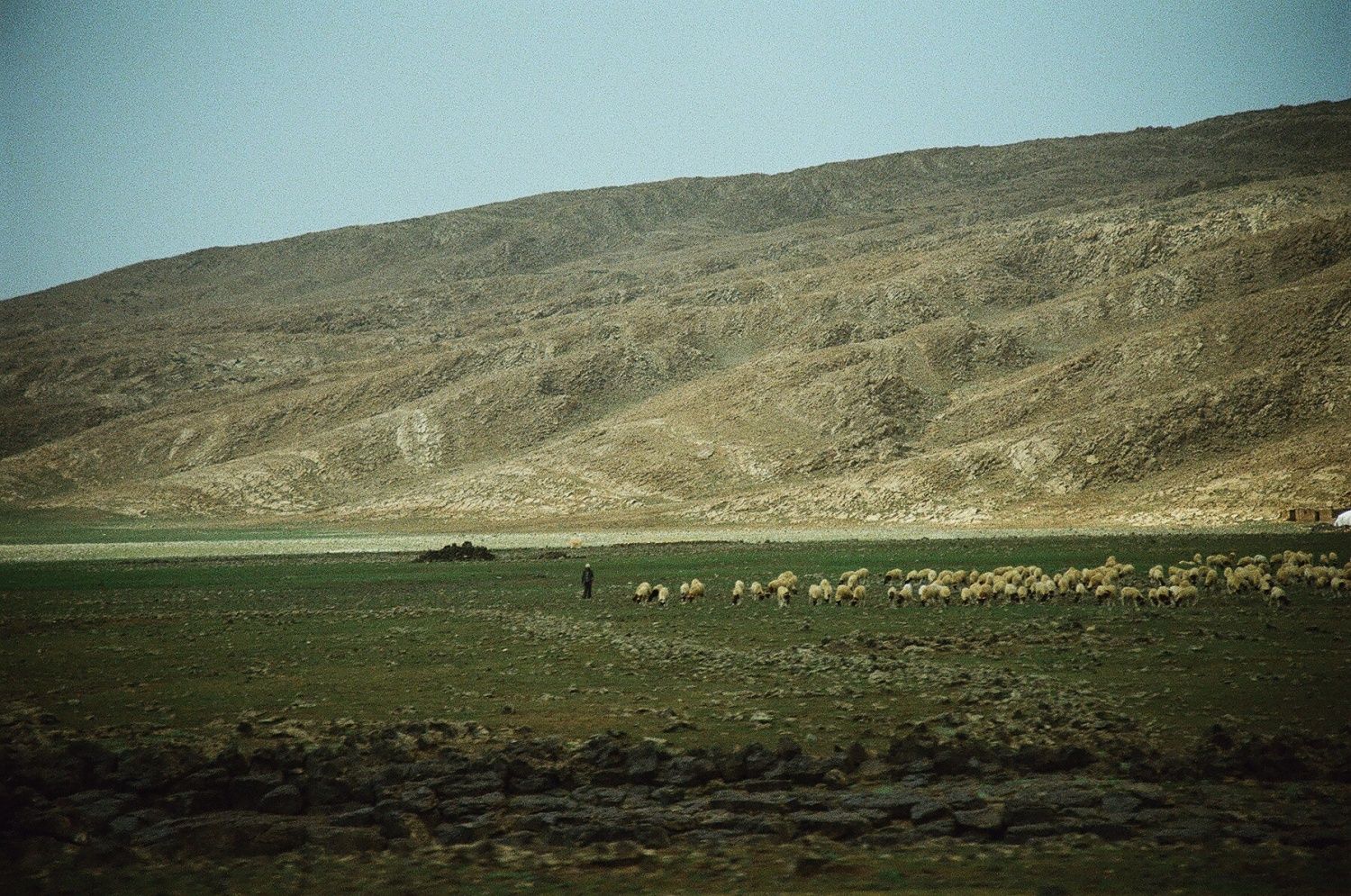
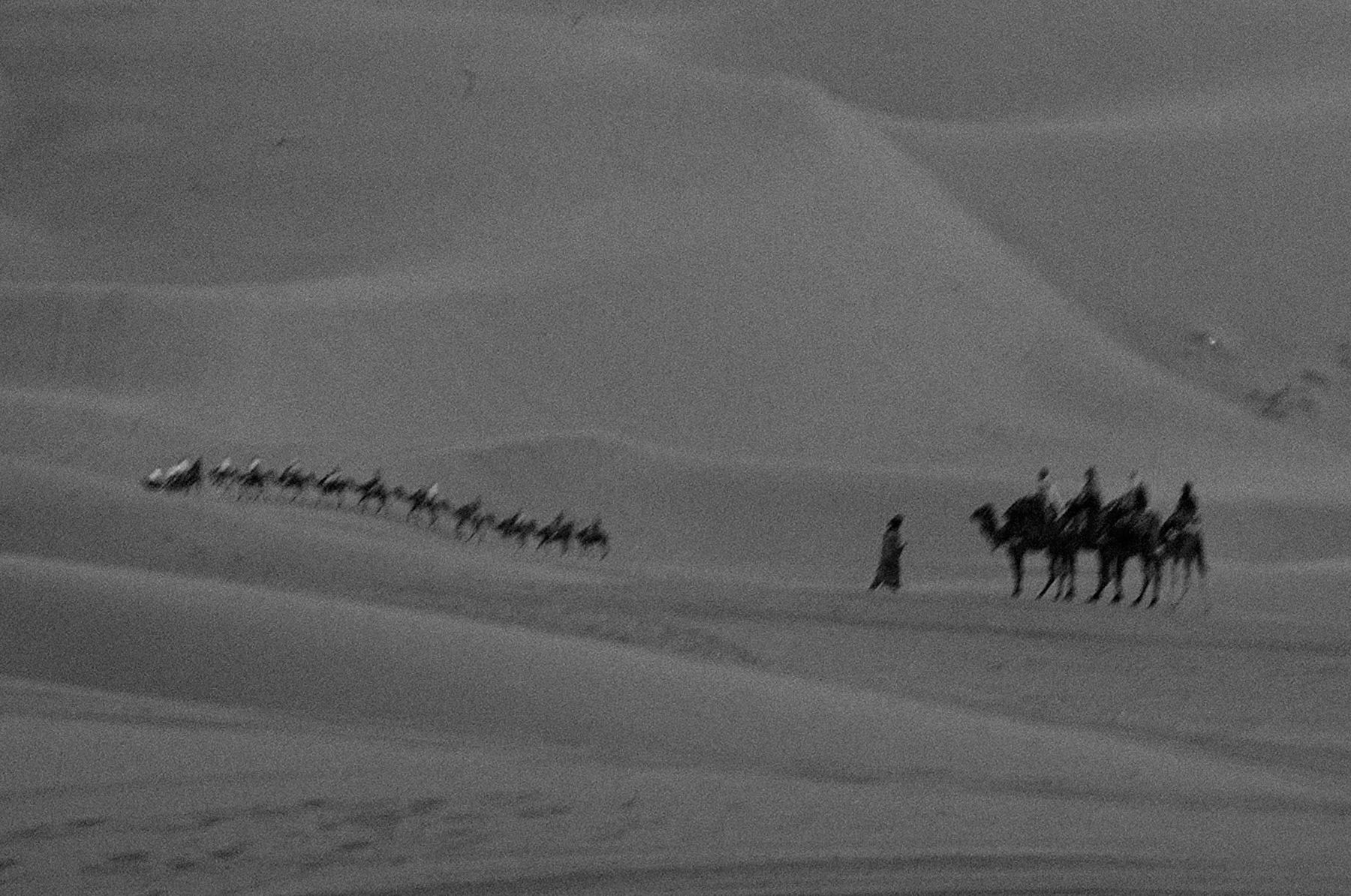
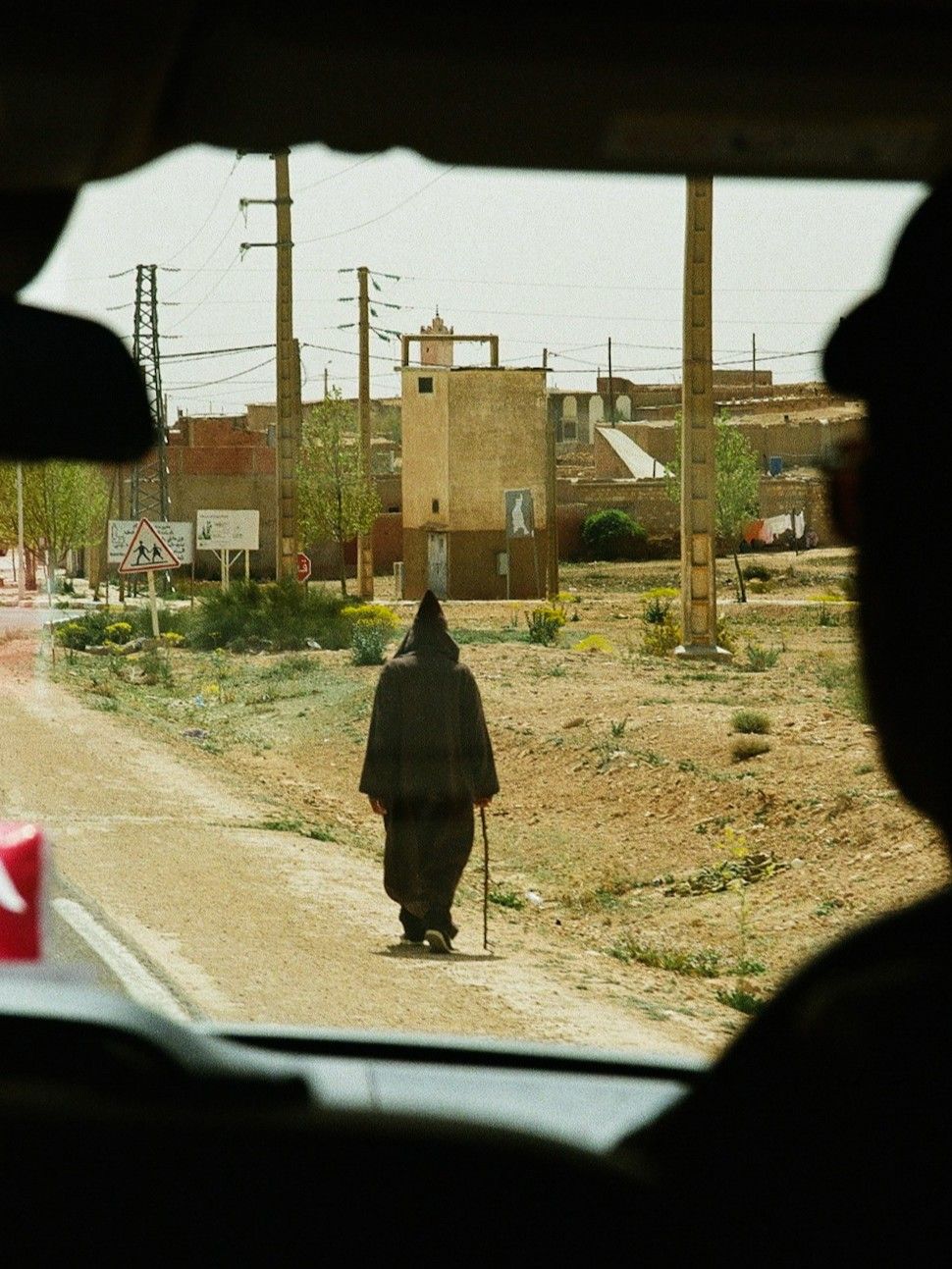
EDMy camera and I were left one on one with the vast, intriguing and multifaceted life of Moroccan cities and its inhabitants. I was beckoned by the people, buildings adorned with ornate patterns, landscapes, the seemingly infinite number of cats and the sounds of street trade and everyday life. The otherness that appeared before my eyes in this land revealed itself in people's routines and values, in the rhythms and colours of their lives. It was in the air they breathed, and it invited me to learn from it. The presence of tradition and religion was noticeable in people's everyday lives. They deliberately made space for it, choosing to do so every day. It could be seen in the clothes they wore as they roamed the streets, in the fasting they observed during the holy month of Ramadan, in the food they prepared when the appropriate time came, in the objects and symbols that accompanied them, and in the aromas that filled the streets and homes.
Reflecting on her travels, Duman pinpoints the fuzzy boundary between the self and the camera as an extension of selfhood: “My camera became a continuation of myself. Morocco left an irreversible imprint on my heart. It set in motion a process of learning that continues to this day, one I know will stay with me for the rest of my life.”
Kazakhstan
Across two visits to Kazakhstan, Duman enriched her archive with observations, yet left with an unfulfilled mission, one she was unaware of until much later:
EDI never managed to capture what I came to recognise as the kindness of the Kazakh soul. It was a quality that deeply caught my attention and made my time there feel so warm and sincere. It deserves its own spotlight and exploration, just like the vast land it comes from.
Despite her self-proclaimed failure to capture the Kazakh soul in film, soulfulness shines through in her account:
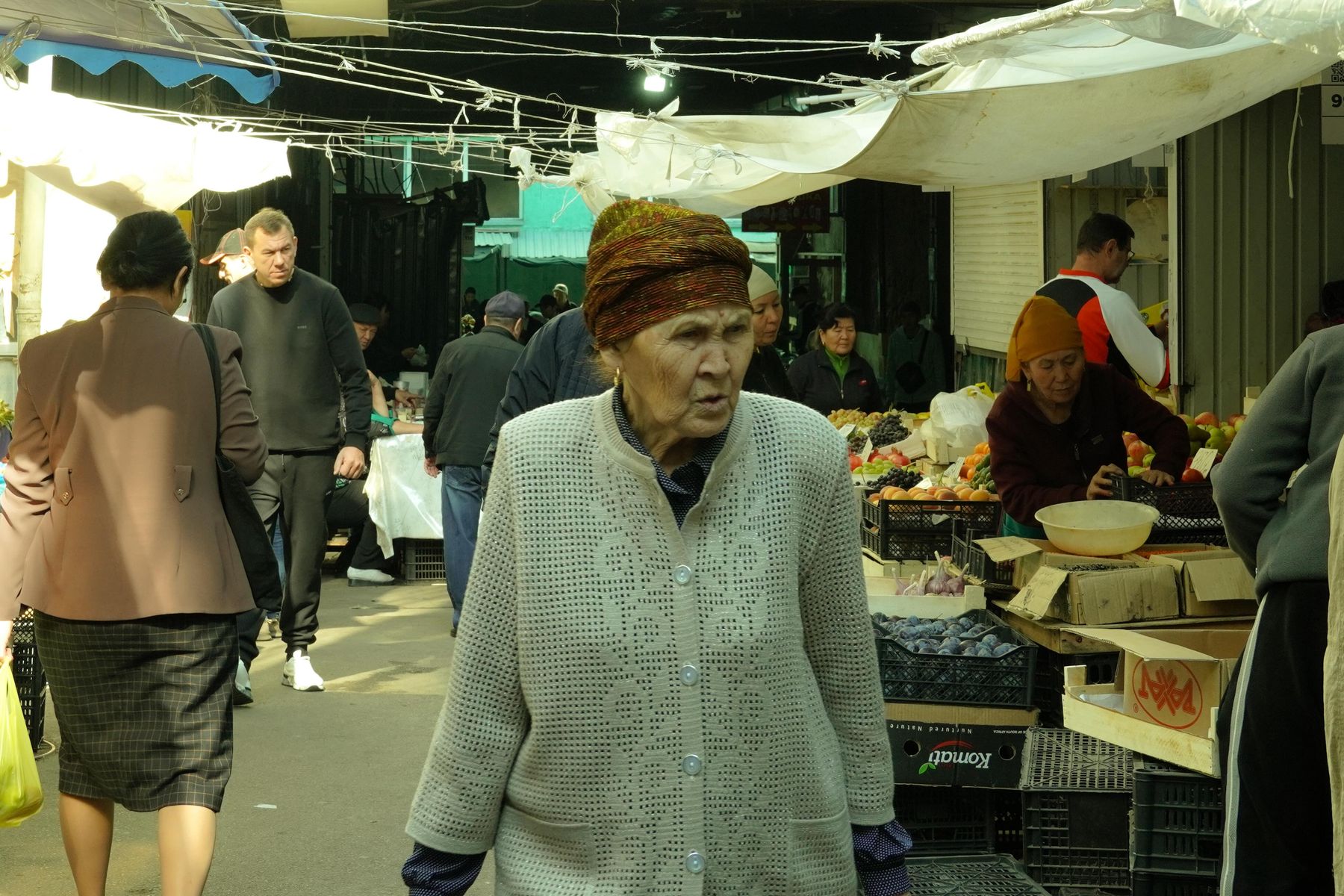
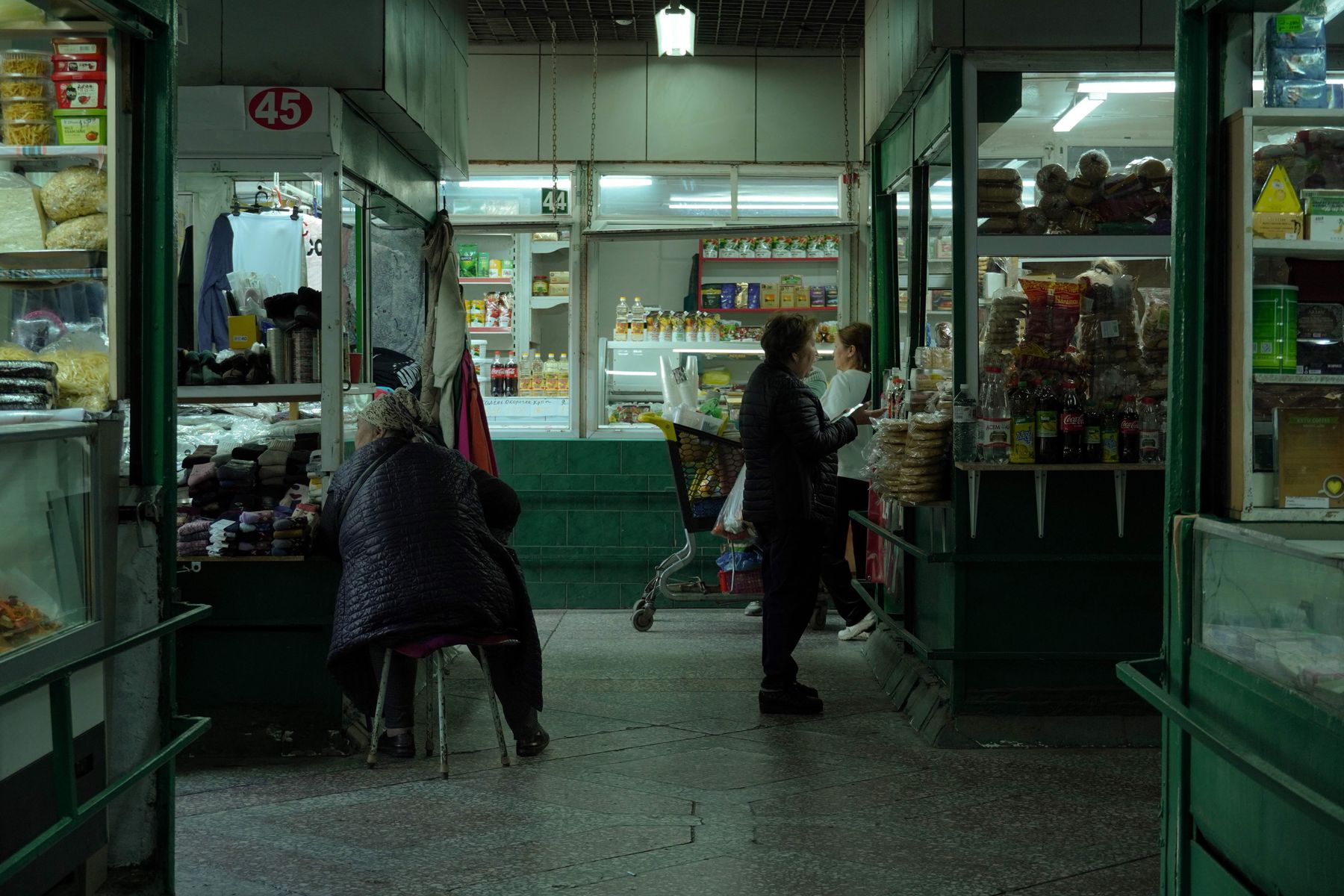
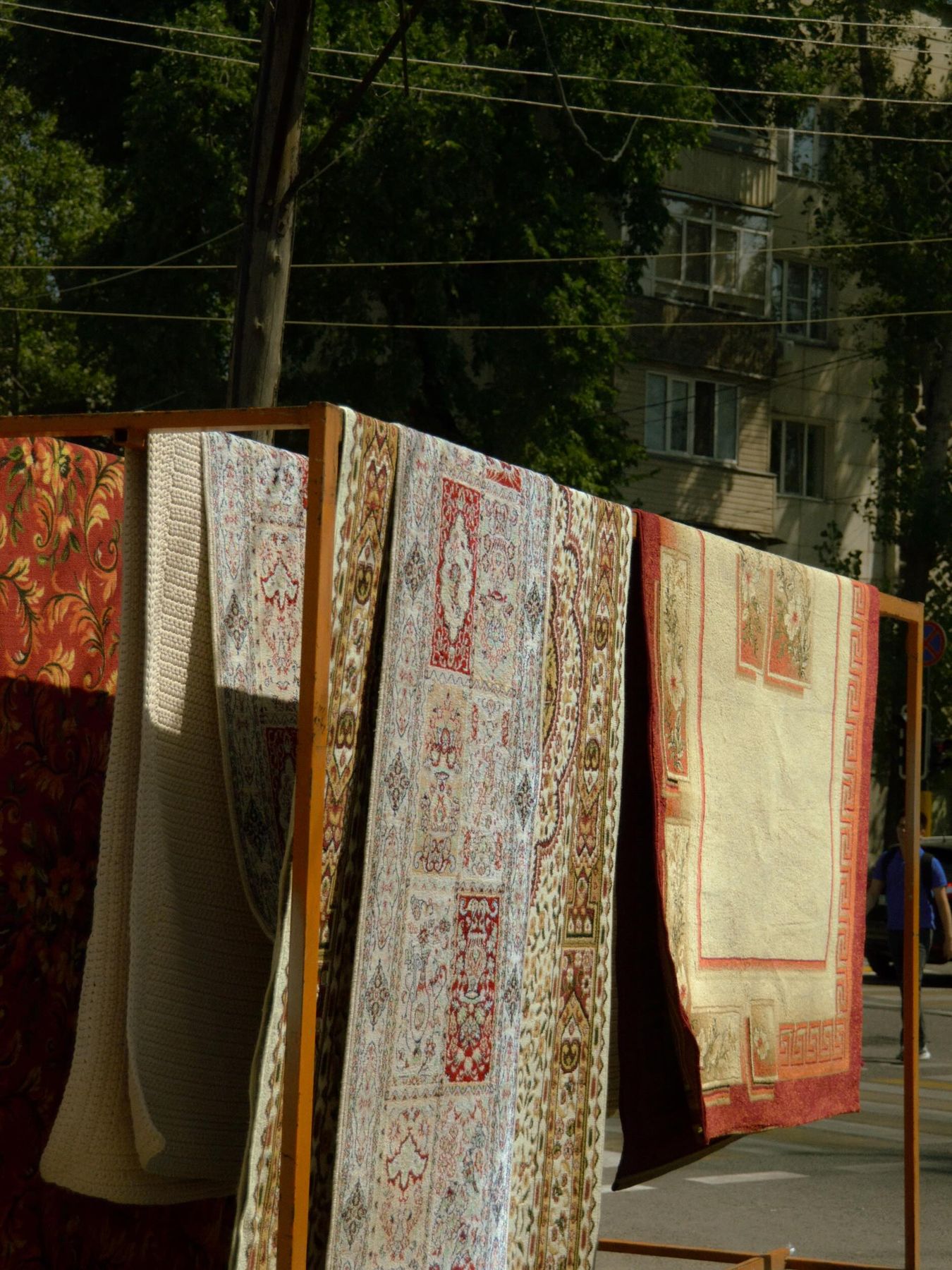
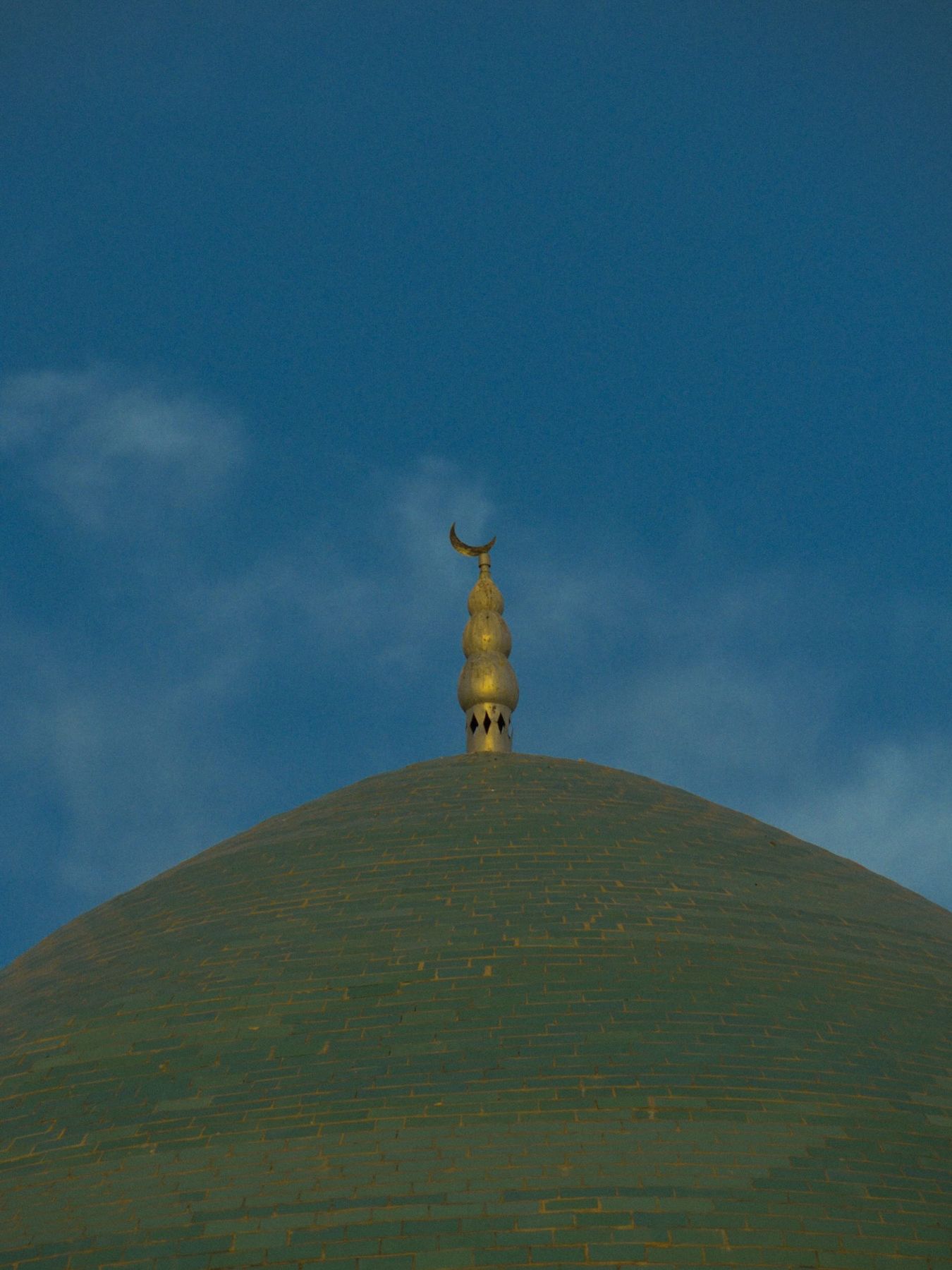
EDKazakhstan was a place where similarities, harmoniously woven into the unfamiliar, playfully teased me. Kök Bazar in Almaty reminded me of the Central Market in my home town, only the one in Kazakhstan seemed several times larger, with life flowing through it at a different, more eventful rhythm. The socialist-style apartment blocks also seemed familiar at first, until I noticed the ornaments characteristic of Kazakhstan, and, further in the background, the massive mountains that made the landscape feel foreign again. What I experienced was perhaps no more than a drop in the ocean when it comes to the territory, history and traditions of this place. But I know for a fact that there are many more encounters awaiting me there.
Hungary
Fifteen hundred kilometres from Latvia, Eva's search for difference intensified by reason of proximity.
EDIn Hungary, I had to look deeper, through our similarities, in order to find new ways of seeing the familiar as unfamiliar, and to notice the differences hidden within it.
Compared to Morocco and Kazakhstan, here, closer to home:
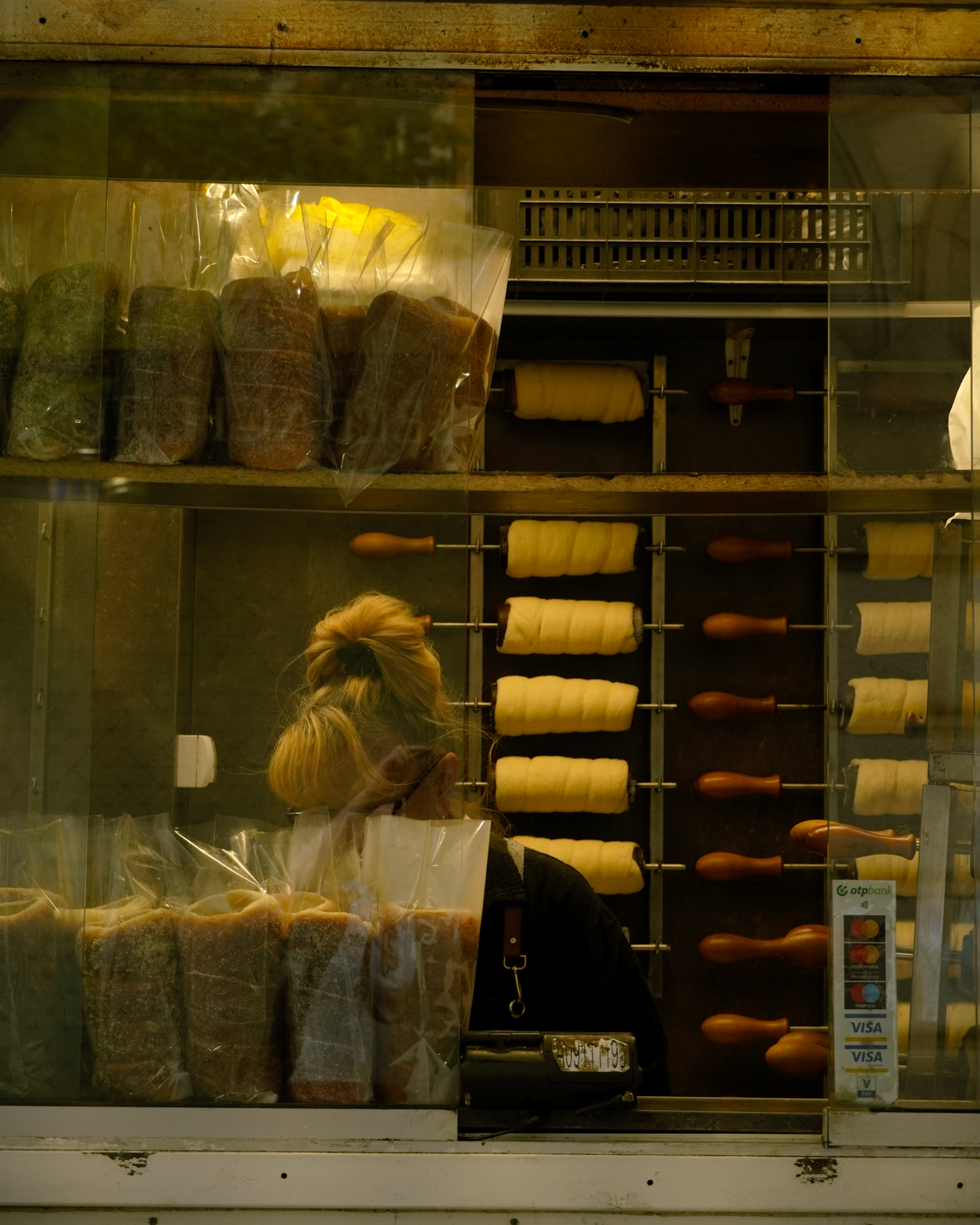
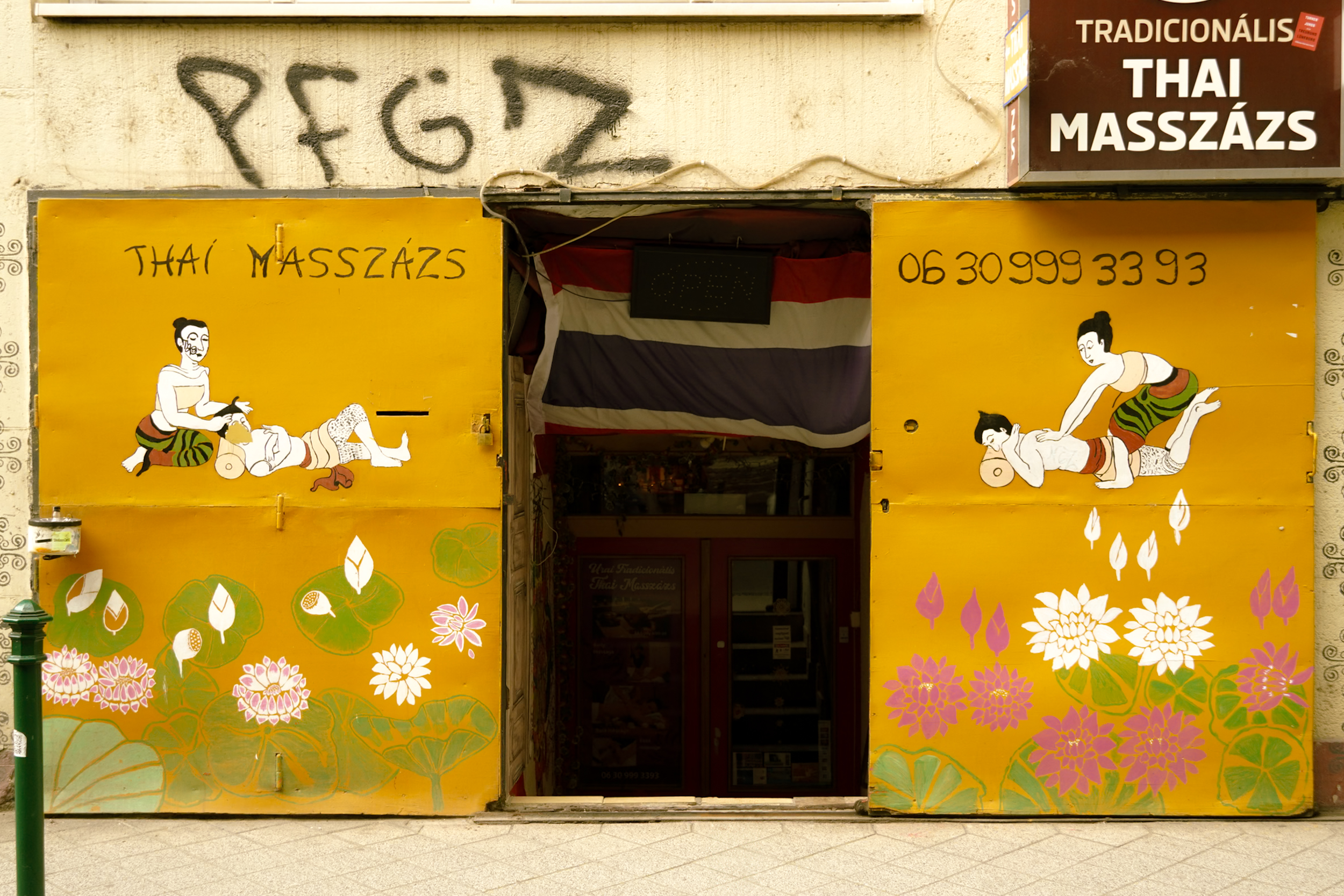
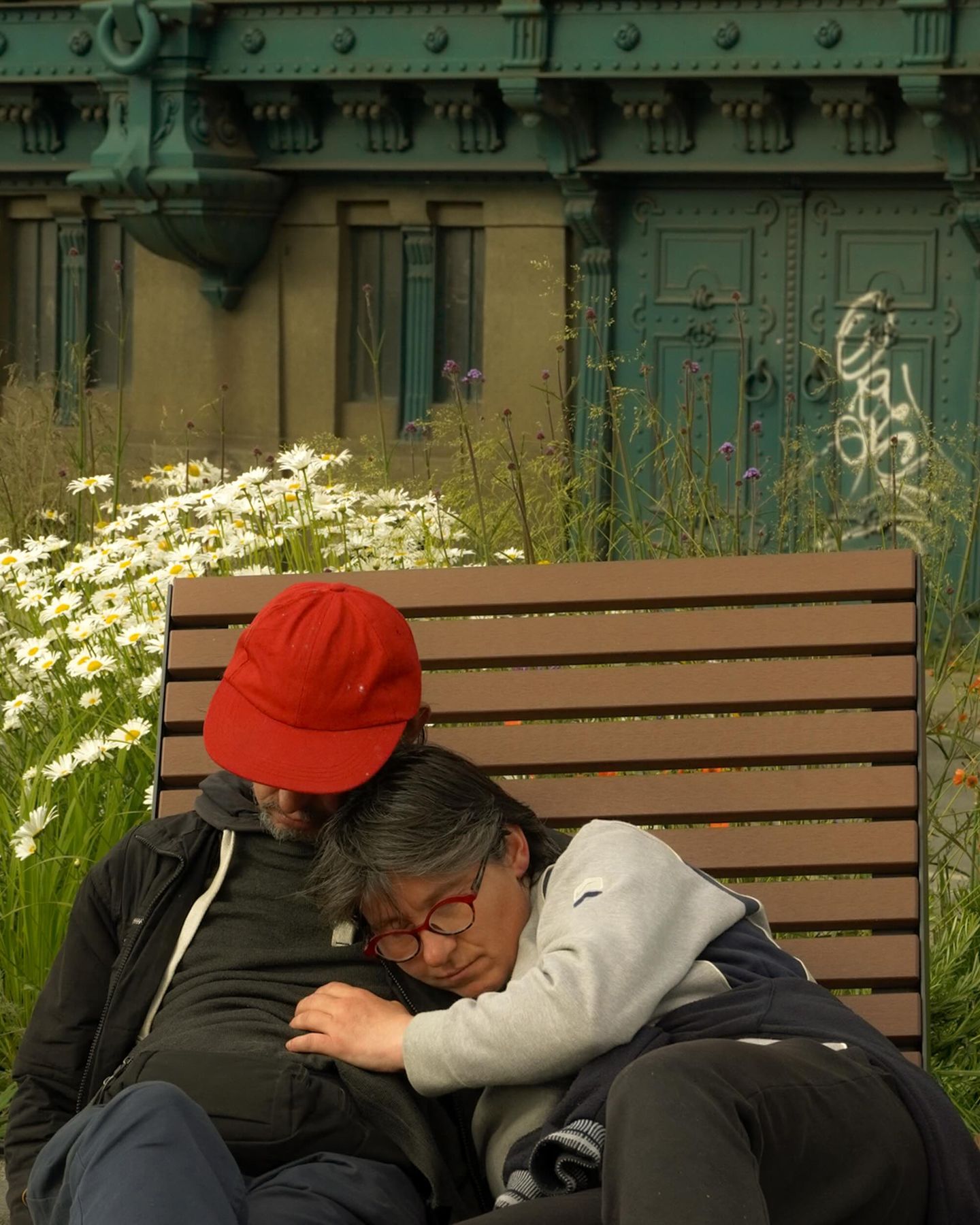
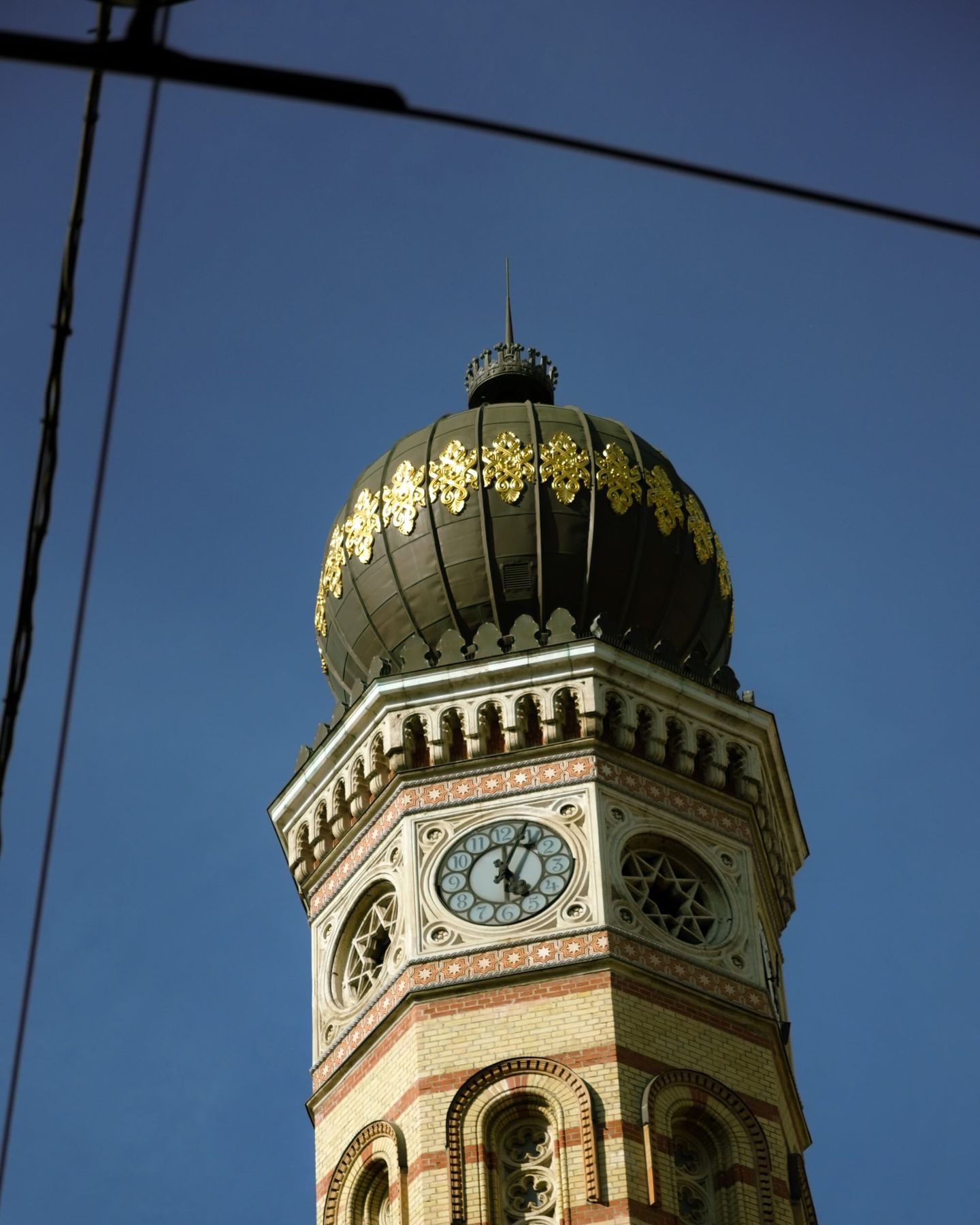
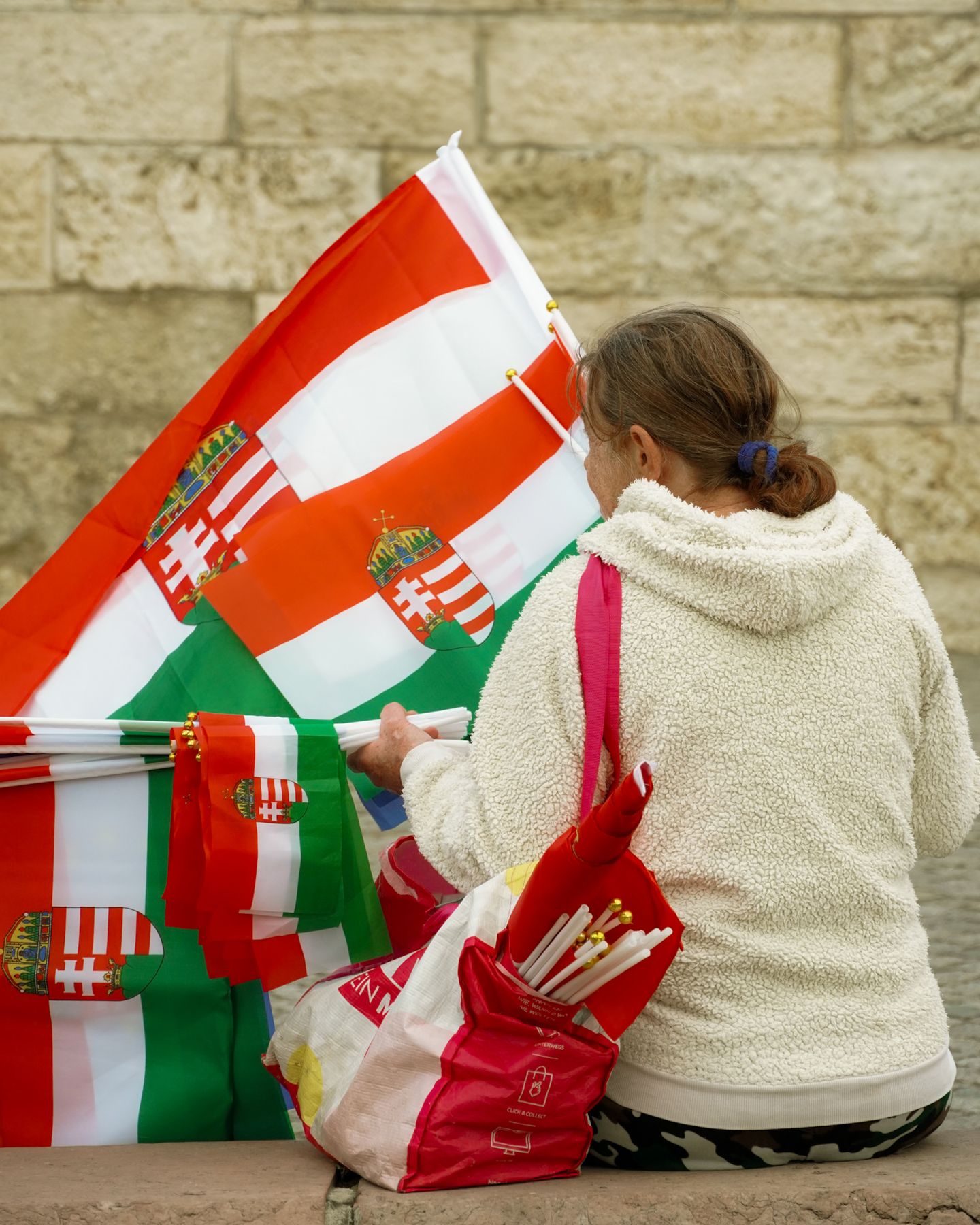
EDOur roads, the movement along them, the styles of some buildings, people and everyday habits can feel surprisingly familiar. As I wandered through Budapest, I would often pass through the buildings and suddenly find myself in one of its many enclosed courtyards. This urban feature is not entirely unfamiliar to me, yet it seemed to play a much more significant role in the life of the capital and its inhabitants. Several balconies often face into the same courtyard, subtly encouraging the residents to coexist and interact more actively.
Duman's continued engagement with the photographic tradition that came before her, as any contemporary photographer's inevitably is, led to a chance encounter that catalysed a different way of seeing, within her pursuit of seeking the otherness.
EDSerendipitously, I came across a photography exhibition by Sylvia Plachy, a Hungarian-American photographer. Among her works, I saw a black and white photograph of newlyweds in wedding attire, walking along a small balcony overlooking a courtyard. After that, every time I entered one of those courtyards, I began to imagine how much they had witnessed throughout their existence, how many lives they had seen, and how many people they had brought together. I even spent some time wondering whether, by visiting and photographing these courtyards, I had somehow become closer to Sylvia Plachy. I decided that perhaps, in a tiny way, I had. In other respects, Budapest challenged both me and my way of seeing. It made me search for visual rhymes, refractions in reflections, and new ways of looking at the mundane, everyday things that surround us.
Placed in relation to one of photojournalism's founding fathers, Eva Duman engages with the canon while also disrupting it, bringing her own ideas and the motivations of an independent practice driven by a search for difference.
Here, on the website, you will find a limited selection of the photos featured in the article. For the full selection, please refer to our FW26 print issue.