Another 10 UNESCO World Heritage Sites You Need To Visit
If you have been lucky enough to see the Colosseum in Rome or Petra in Jordan, or even Angkor Wat in Cambodia, here is a list of underrated UNESCO World Heritage Sites you need to see in your lifetime.
Each unique heritage site offers a breathtaking and unforgettable experience found nowhere else on Earth.
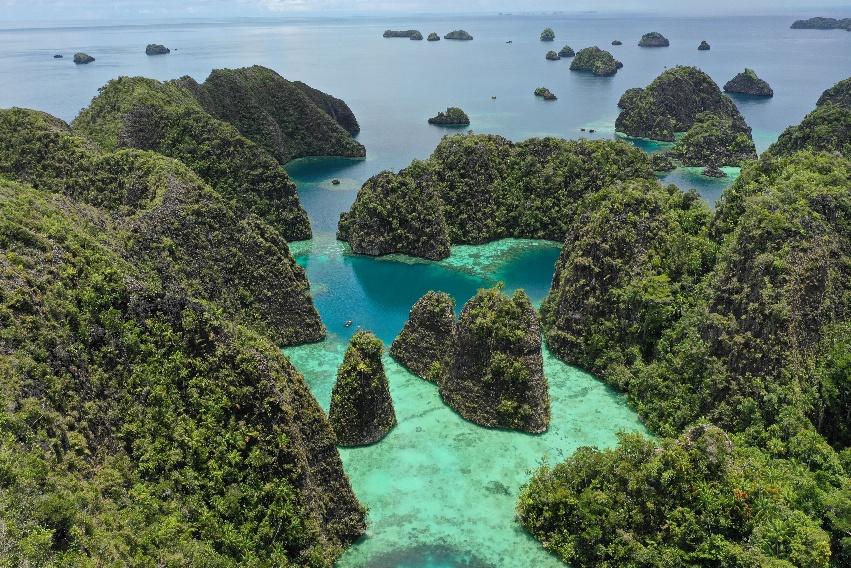
- The Rock Islands Southern Lagoon, Palau
Hidden away in the western Pacific Ocean near the Philippines lies Palau, an island country that requires visitors to sign a pledge to enter. Palau’s commitment to its environment is reason enough to visit, as every visitor to Palau has to sign the Palau Pledge to promise that they will act in an ecologically responsible way during their stay. Palau is home to the Rock Islands Southern Lagoon, a set of human settlements and permanent stone villages in Palau which were gradually abandoned during the 17th and 18th centuries. This historic site is absolutely unique and contains remnants of human settlements dating back roughly 3,000 years. Alongside this, Palau has a truly breathtaking ecosystem, with over 445 species of coral and 700-plus species of fish.
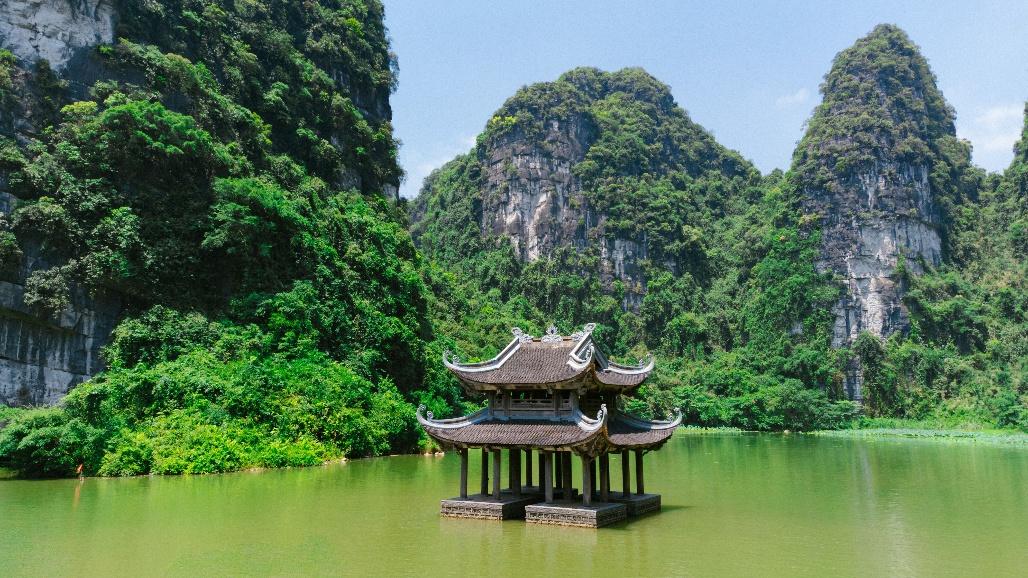
- Trang An Landscape Complex, Ninh Binh, Vietnam
The Trang An Landscape is home to Vietnam’s 10th-century imperial site, named the Hoa Lu Ancient Capital. Visitors walk through a vast gate and into this ancient capital, connecting them to the Trang An Scenic Landscape. The landscape features an incredible boat ride down the river, where visitors can gaze upon scenery once used for the Kong: Skull Island (2017) movie, as well as the incomparable Suoi Tien Temple floating in the river. The Trang An Landscape Complex is also home to the Tam Coc–Bich Dong Scenic Landscape, a part of the complex dedicated to agriculture.
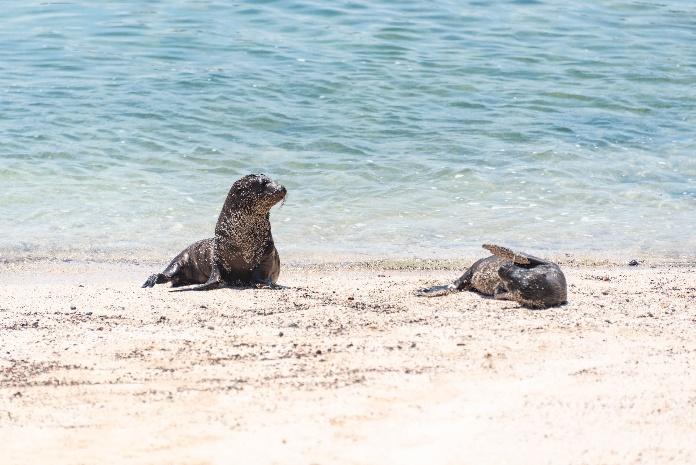
- Galápagos Islands
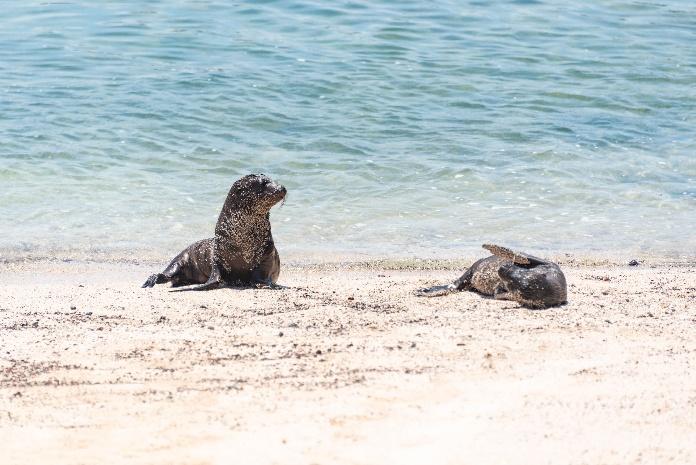
Alongside being beautiful, the Galápagos Islands are a famous UNESCO World Heritage Site. 97.3 per cent of the islands are designated as Galápagos National Park, free of permanent residents and restrictive to tourists, while inhabitants live on the remaining 2.7 per cent of the islands. The Galápagos are also famous for their isolated evolution, which famously informed Darwin’s theory of evolution by natural selection, as well as their friendly wildlife, which never had to adapt to predators.
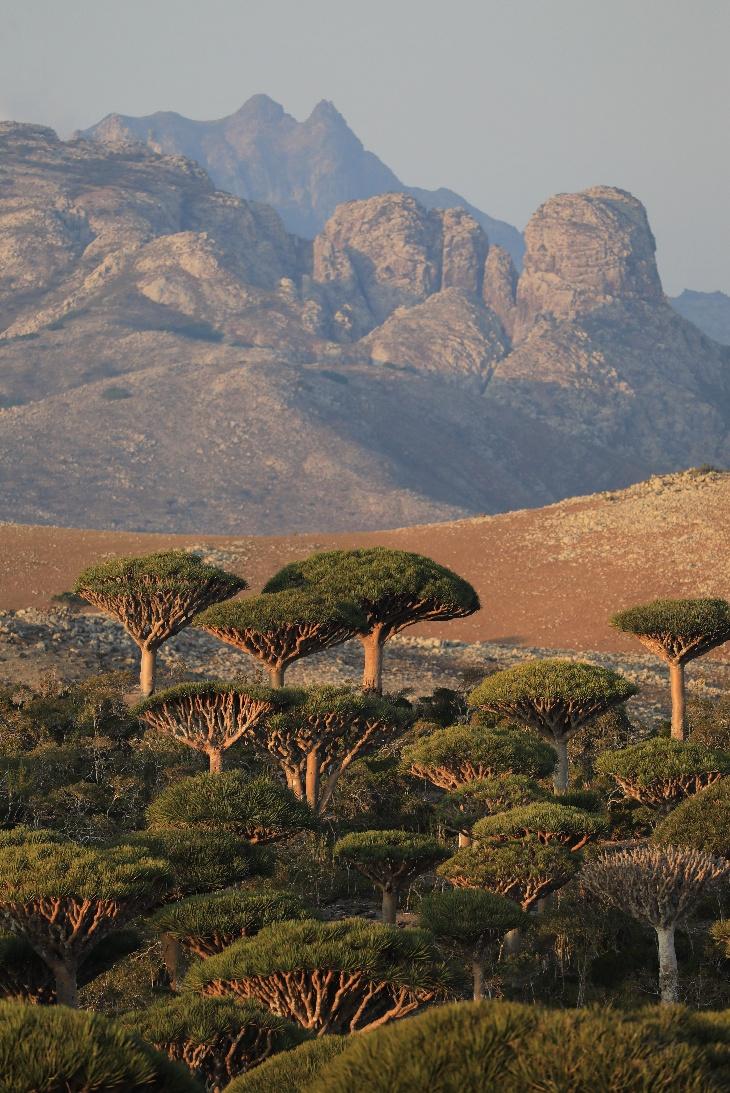
- Socotra Archipelago, Yemen
If you are looking for a one-of-a-kind UNESCO World Heritage Site, look no further than the Socotra Archipelago. Set in the Arabian Sea, close to Africa, the Socotra Archipelago is an island in Yemen that has, through isolation, developed entirely unique biodiversity. Around 37 per cent of Socotra’s plant species are indigenous solely to the island[1], and the visually striking Dracaena cinnabari tree is famous for its umbrella-shaped crown, known traditionally as dragon’s blood. The extraordinary look of the island leaves visitors noting that it looks almost otherworldly.
- Machu Picchu, Peru
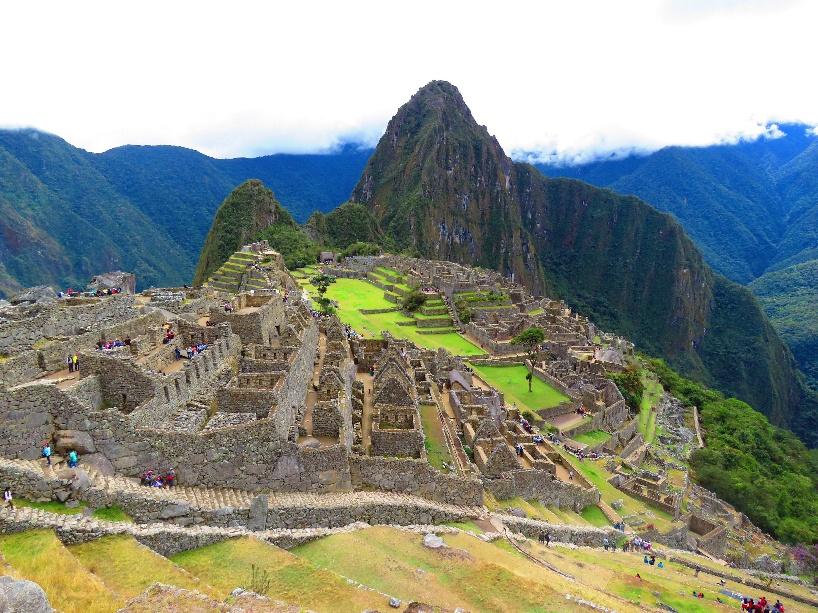
Located high in the Andes Mountains of Peru lies Machu Picchu. Preserved for its rich natural surroundings, as well as its Inca architecture, this is one heritage site you do not want to miss. Machu Picchu is not only an astonishing feat of architecture, sitting 2,430 metres above sea level, but also an incredible piece of history left behind by the Inca Empire in the 15th century.
- Chauvet Cave, Ardèche region of southeastern France
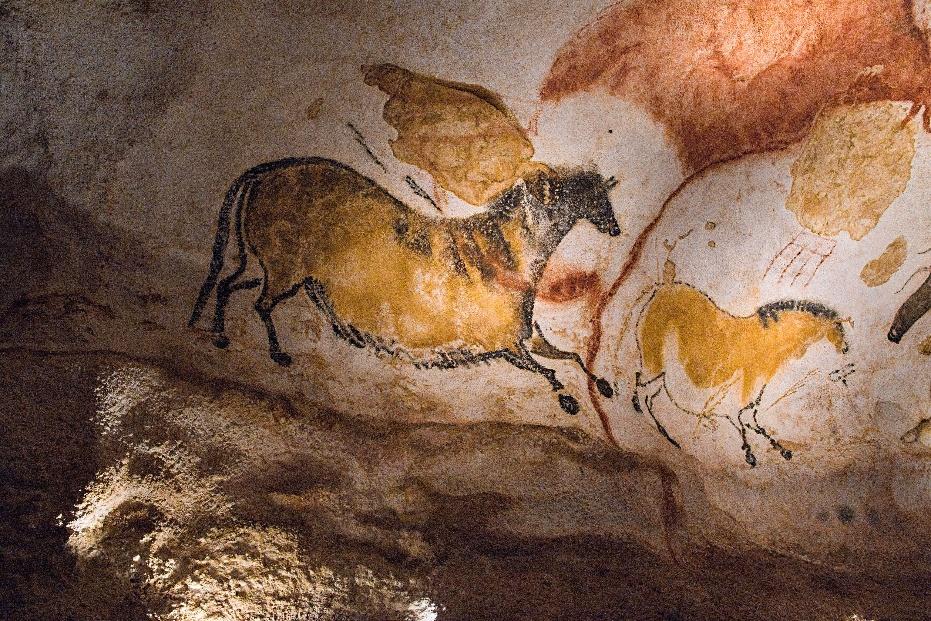
If you are a fan of the intersection between art history and archaeology, the Chauvet Cave is for you. Containing over 1,000 paintings and engravings, the Chauvet Cave dates back approximately 36,000 years and is remarkably well preserved. Thought to have been drawn by early modern humans in Europe, the paintings in Chauvet Cave are incredibly detailed, using shading, movement and 3D effects to depict animals and scenes. To preserve the site, the original Chauvet Cave is closed to visitors, but a replica named Grotte Chauvet 2 is open nearby to explore.
- The Acropolis of Athens, Greece
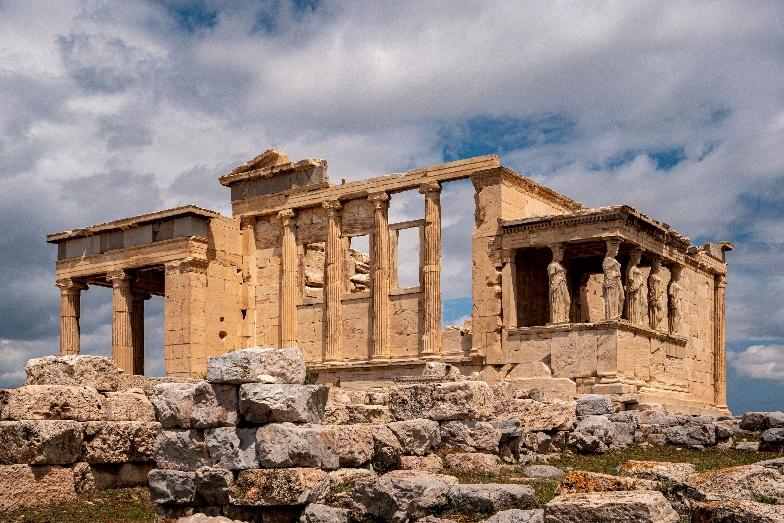
Standing high among the mountains is the Acropolis of Athens. Famous to locals and visitors, the Acropolis of Athens is one of the most exceptional pieces of ancient Greek architecture to this day. Originally built in the 5th century BC, the Acropolis of Athens represents art, philosophy and the birth of democracy. Since the 5th century, the Acropolis of Athens has withstood time, despite being turned into a Christian church in the 6th century and an Islamic mosque in the 15th century. The Acropolis of Athens has had a long and colourful history that attracts visitors to this day.
- Cappadocia, Turkey
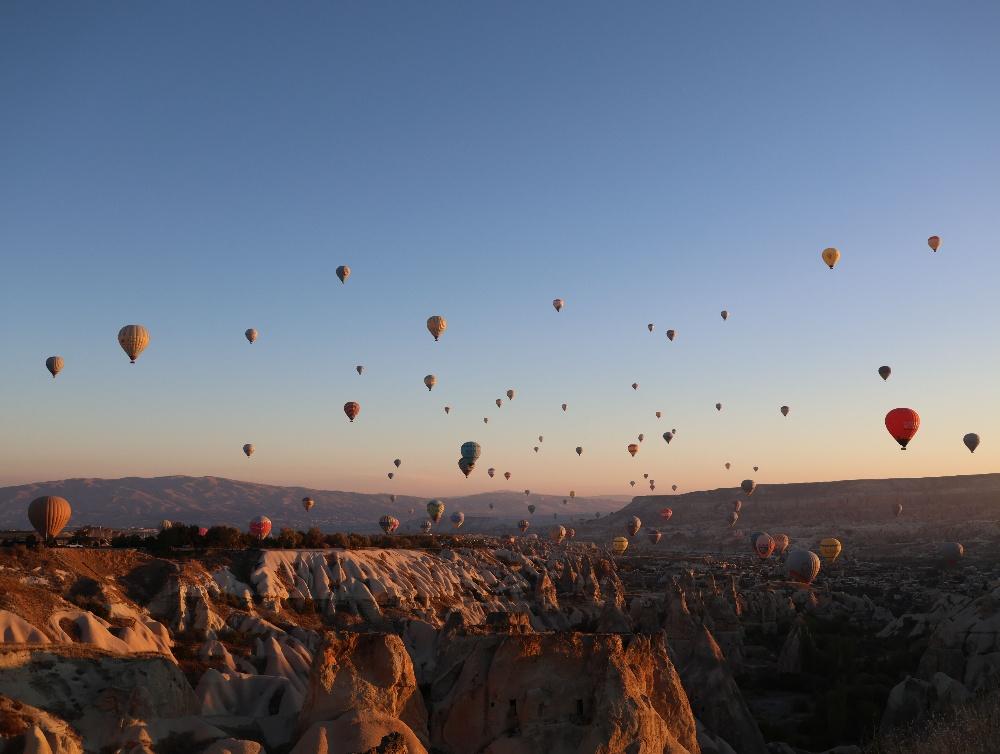
Located in Central Anatolia, Turkey, Cappadocia is famous for its distinctive rock formations, which are wide at the base and become thinner as they grow upwards. These rock formations are nicknamed “fairy chimneys” and give Cappadocia a truly unique, magical look. Visitors to Cappadocia can enjoy hot-air ballooning, the Göreme Open Air Museum, underground cities like Kaymaklı or Derinkuyu, which once sheltered entire civilisations, and Uçhisar Castle, the highest rock citadel in the region.
- Easter Island, Chile
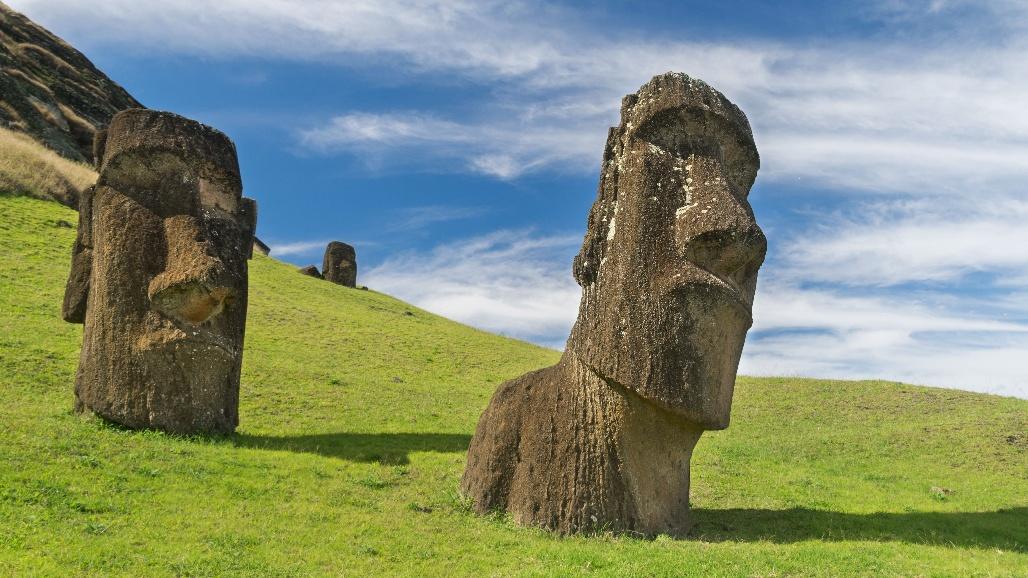
If you are ready to see some truly unparalleled sculptures, head over to Easter Island in Chile. These statues, which feature large heads and heavy brows, are called moai and were carved by the Rapa Nui people between 1100 and 1650 CE[1]. Across Easter Island, there are nearly 1,000 moai scattered across the island[1], making it a truly extraordinary destination.
- Serengeti National Park
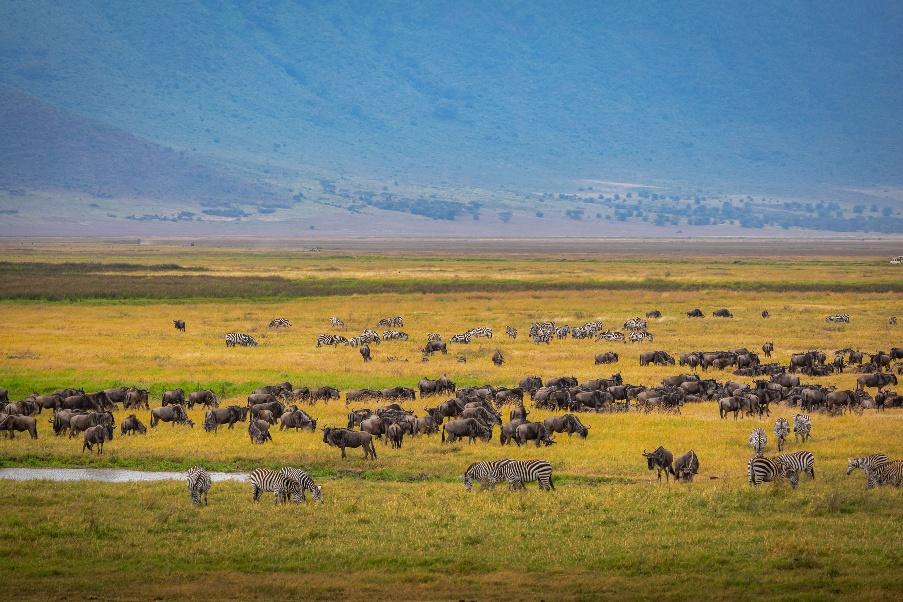
The Serengeti National Park in Tanzania spans 15,000 square kilometres of preserved wilderness. Incredibly, the Serengeti National Park also hosts the Great Migration every year, which means that over 2 million animals, including zebras, wildebeests and gazelles, can be seen moving from the Serengeti to Kenya's Maasai Mara National Reserve. The Serengeti National Park is also known for Africa’s highest concentration of predators, known as the “Big Five”, which means that lions, leopards, elephants, rhinos and buffalo roam freely.