Alexandra Resnikov: Building Bridges Between Art, Culture, and Contemporary Dialogue
Much of contemporary art, at least implicitly, engages with the human condition. So what does an exhibition titled Human Being add to a subject that is already so familiar? Alexandra Resnikov’s answer, staged at the Mandarin Oriental Savoy in Zurich last October, was to shift both the context and the terms of the conversation.
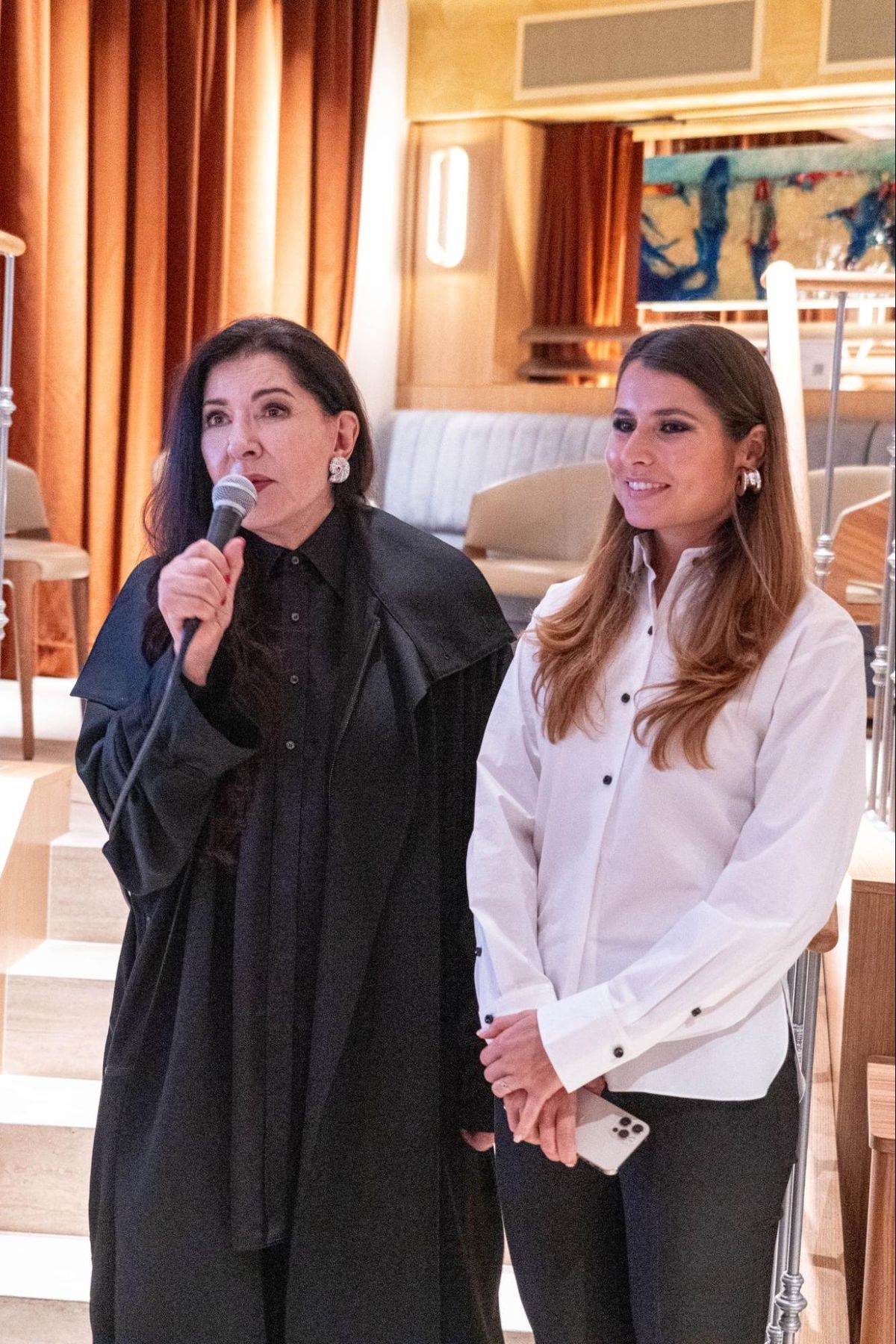
Presented outside the museum context, Human Being placed the question of what it means to be human within an environment shaped by travel, hospitality and everyday encounters. Bringing together four artists from different cultural backgrounds, Resnikov approached the subject not as a definitive theme to be resolved, but as a question whose meaning changes according to who is asking it, and when.
Zurich-based art manager and curator Alexandra Resnikov has, over more than a decade, established herself as an influential figure in the European contemporary art scene. With an academic background in Art and Cultural Management developed in cooperation with the Goethe-Institut, she has dedicated her career to creating opportunities for artists while developing exhibition concepts that connect contemporary art with wider audiences. Rather than viewing exhibitions simply as presentations of artworks, she understands them as carefully curated experiences, spaces where culture, ideas and human encounters intersect. This approach has become the defining characteristic of her work and continues to shape the projects she develops today.
Throughout her career, Resnikov has collaborated with internationally respected cultural institutions, galleries, collectors, artists and organisations across Europe. Her work spans curatorial practice, exhibition management, artist representation, cultural consulting and strategic development for artistic initiatives. Whether working with emerging talents or internationally established names, her focus remains consistent: creating meaningful cultural experiences that allow art to communicate beyond the confines of traditional gallery spaces. She believes contemporary art should be accessible without sacrificing intellectual depth, developing concepts that invite broader audiences into the conversation rather than presenting exhibitions solely for collectors or art professionals. By combining thoughtful curation with clear storytelling, she creates environments where visitors can engage emotionally and intellectually with artistic ideas regardless of their previous experience with contemporary art.
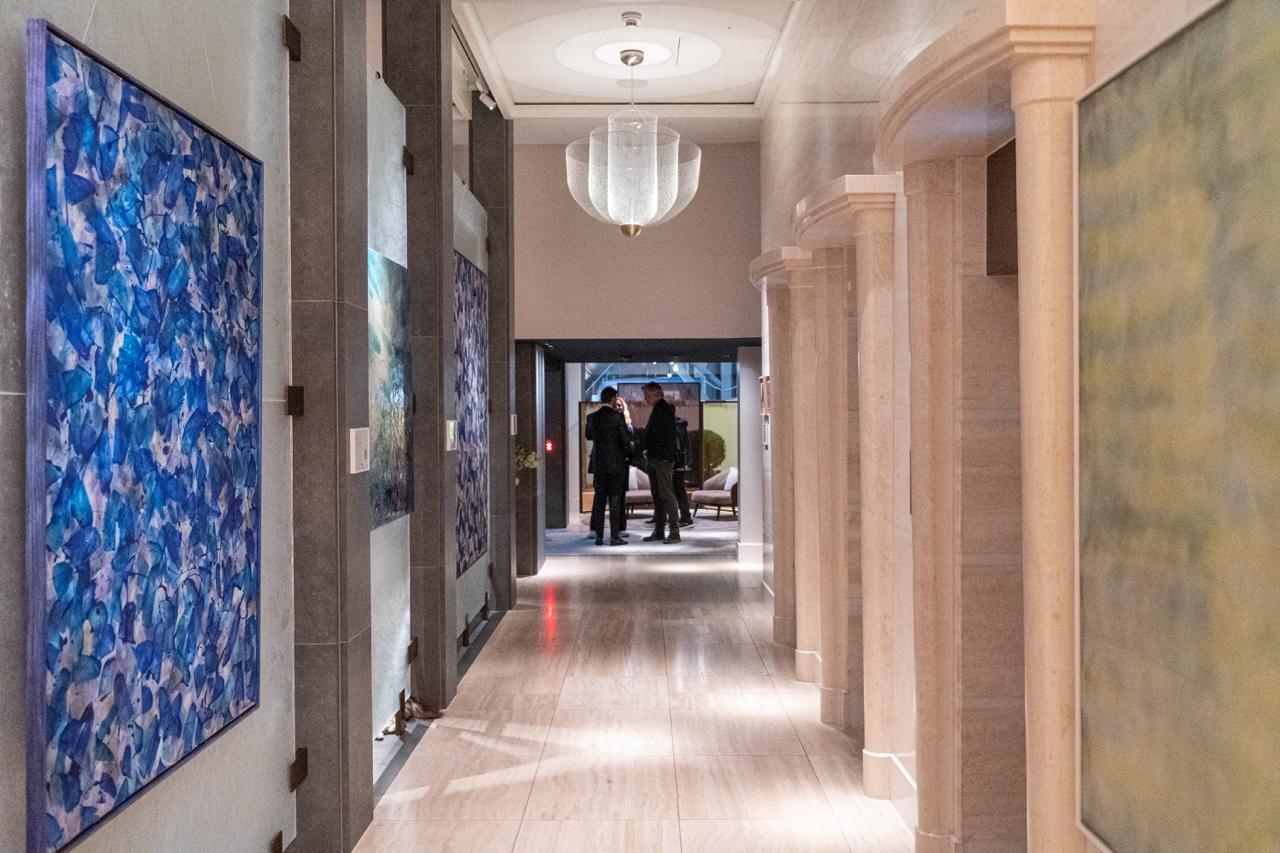
Conceived as more than a traditional exhibition, Human Being transformed one of Switzerland's most iconic luxury hotels into a temporary cultural platform, inviting guests, collectors, international visitors and the local community to experience contemporary art within an unexpected setting. The exhibition explored one of humanity's most fundamental questions: what does it mean to be human today? In an era defined by rapid technological progress, social transformation and global uncertainty, Human Being invited audiences to reflect on identity, vulnerability, memory, coexistence, and the relationship between humanity and nature.
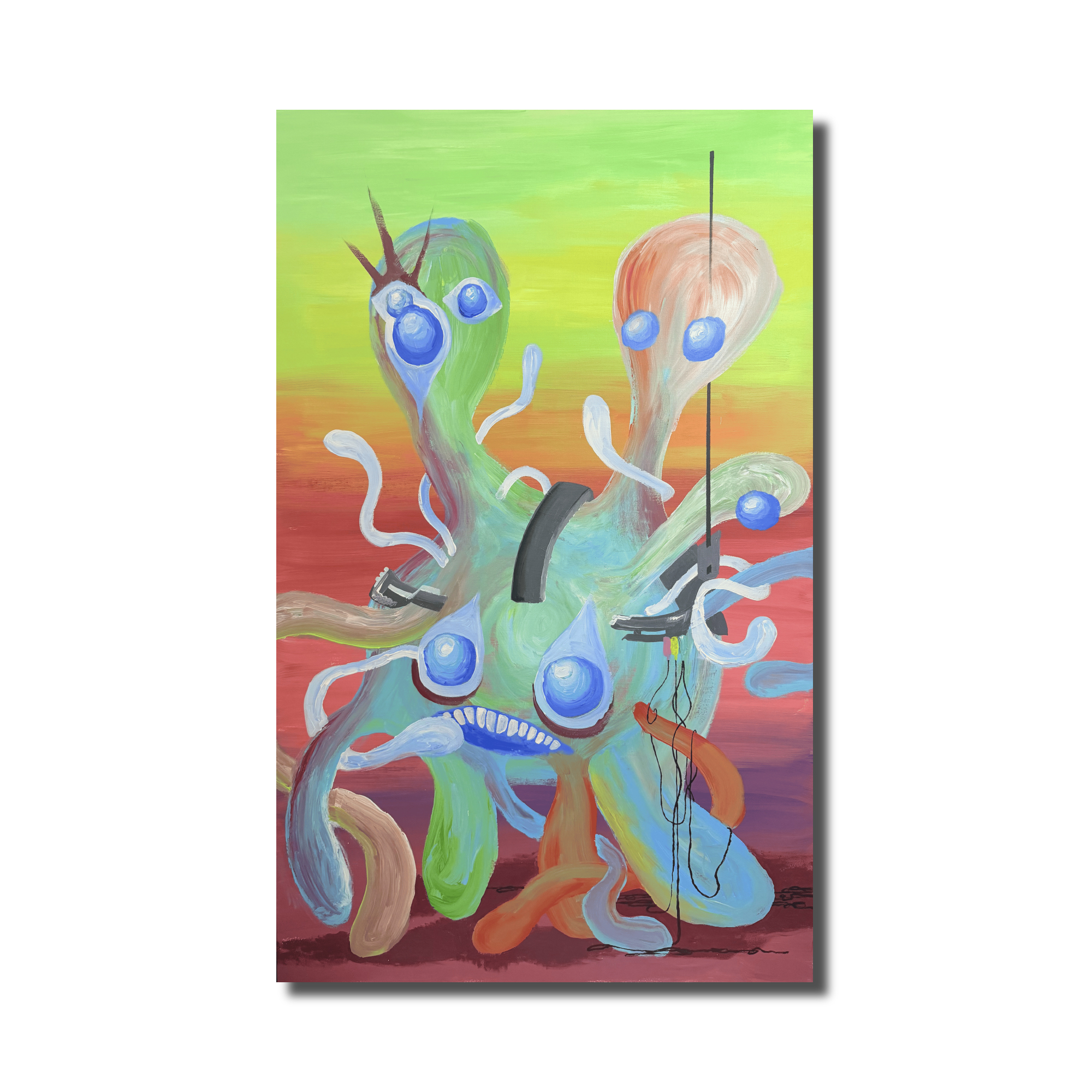
Resnikov brought together four artists whose diverse cultural backgrounds enriched the exhibition's central theme. Chinese-born multidisciplinary artist Jiny Lan examined questions of migration, identity and cultural memory. German conceptual painter Stephan Kaluza explored the relationship between humanity and landscape through expansive visual narratives. Internationally acclaimed Ukrainian artist Oksana Mas contributed deeply symbolic works addressing spirituality, collective consciousness and human resilience. Completing the exhibition was Zurich-based emerging artist Rafka, whose practice investigated perception, emotion and personal transformation. Although each artist approached the subject from a unique perspective, their works formed a coherent dialogue about the complexity of human existence, rather than offering definitive interpretations, the exhibition encouraged visitors to reflect on their own experiences, emotions and relationships with the surrounding world.
The opening attracted an impressive international audience from both the art and cultural sectors, a signal of how seriously the project was being taken well beyond hotel guests. It also reflected the Mandarin Oriental Savoy, Zurich's own commitment to supporting culture by providing artists with a platform beyond conventional museum and gallery environments.
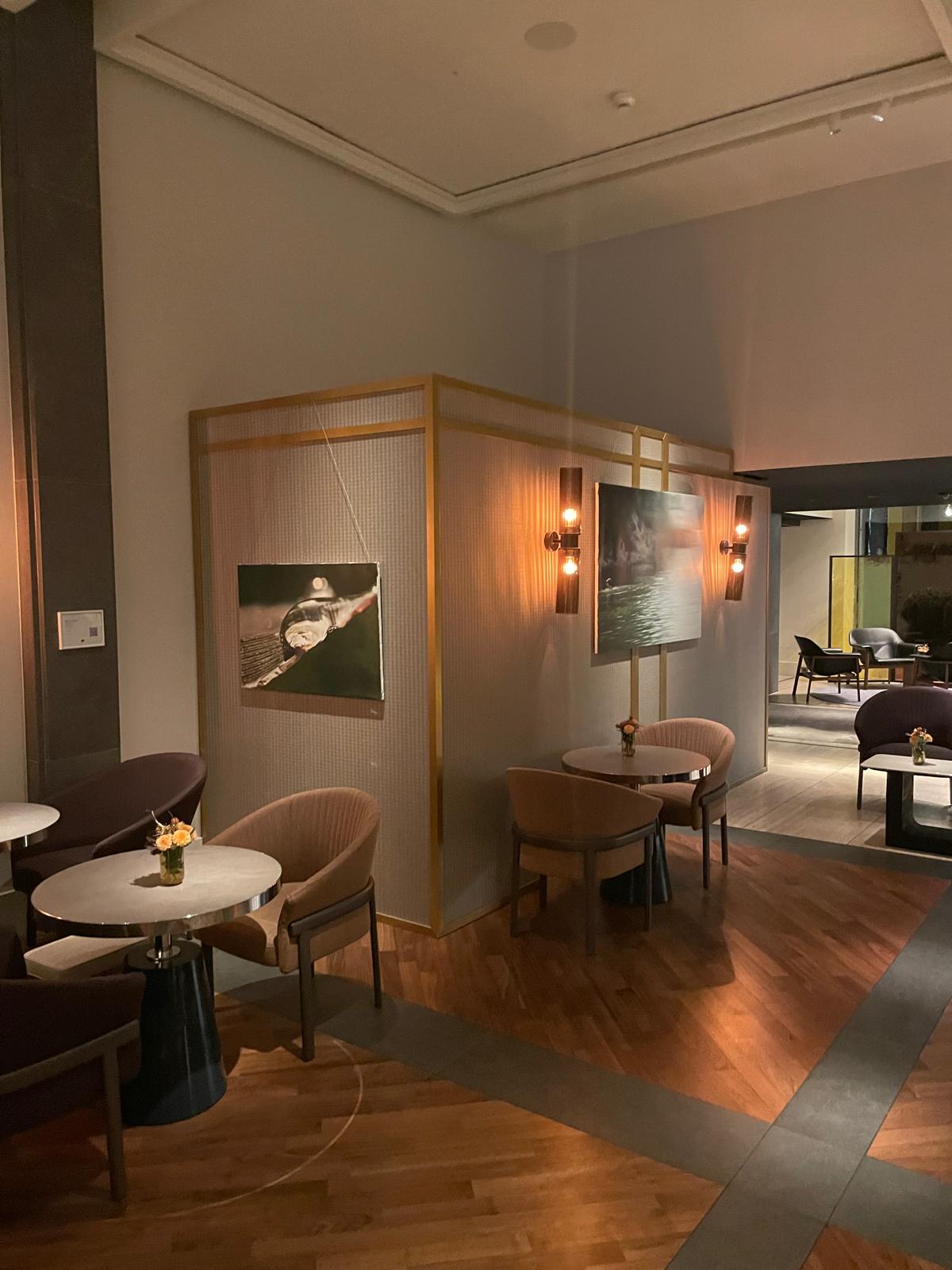
What made Human Being particularly significant was its interdisciplinary character. The exhibition demonstrated how contemporary art can successfully inhabit spaces traditionally associated with hospitality and international travel. Instead of separating art from everyday life, the project integrated artistic experience into a living environment where unexpected encounters became possible. Hotel guests discovered museum-quality contemporary artworks during their stay, while art enthusiasts experienced the atmosphere of one of Zurich's most historic luxury destinations.
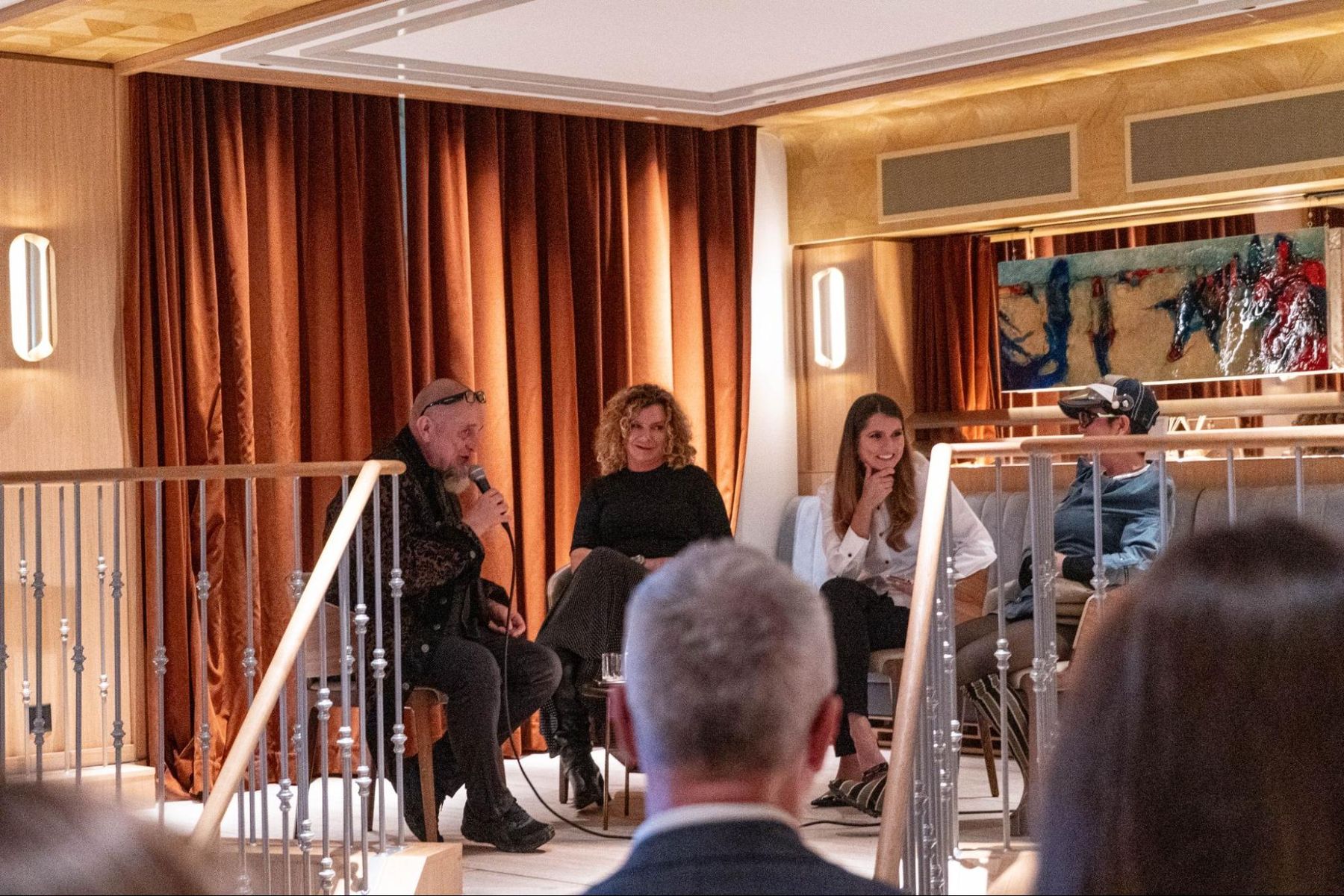
This philosophy carried through to the exhibition's accompanying Art Talk, moderated by Resnikov herself. Bringing the participating artists together, the discussion offered audiences direct insight into their creative processes, motivations and personal perspectives. Identity, cultural heritage, political realities, artistic responsibility and emotional resilience all became part of an engaging dialogue between artists and visitors, the kind of conversation that made artistic thinking accessible and personal rather than distant or exclusive.
Beyond exhibition making, Resnikov also advises artists, galleries, collectors and cultural initiatives on long-term positioning and project development, work that reflects her understanding of both the artistic and organisational sides of the cultural sector. She has also made a consistent practice of presenting internationally established figures alongside emerging talents, creating opportunities for younger artists to gain visibility in professional international contexts, a dialogue between generations built on exchange rather than hierarchy.
As Human Being showed, contemporary art can flourish in unexpected environments without losing its critical or emotional power. It's a reminder that the most meaningful exhibitions do more than display artworks: they create encounters, and invite people to reconsider what it means to be human in the first place.