Is RCA Worth It?
Dani Marcel’s perspective Dani Marcel is an artist known for his work in durational performance. He creates performances by altering his daily life based on prompts, often taking weeks or months to complete one. He lives and works in London. In 2020, Dani graduated from the Royal College of Art.
Is RCA Worth It? Dani Marcel’s perspective
Dani Marcel is an artist known for his work in durational performance. He creates performances by altering his daily life based on prompts, often taking weeks or months to complete one. He lives and works in London.
In 2020, Dani graduated from the Royal College of Art.
Dani:
In March, I saw someone wearing a medical mask in public for the first time. Within a month, our studios had abruptly shut down, plunging us into chaos. With the student showcase being cancelled, talk of legal action organised by some students began circulating, while the show was eventually postponed and moved to an off-site location. Refunds, too, became part of the confusion: promised, reconsidered, discussed and, eventually, paid. Somewhere in all of this, the Royal College rapidly faded out of our lives.
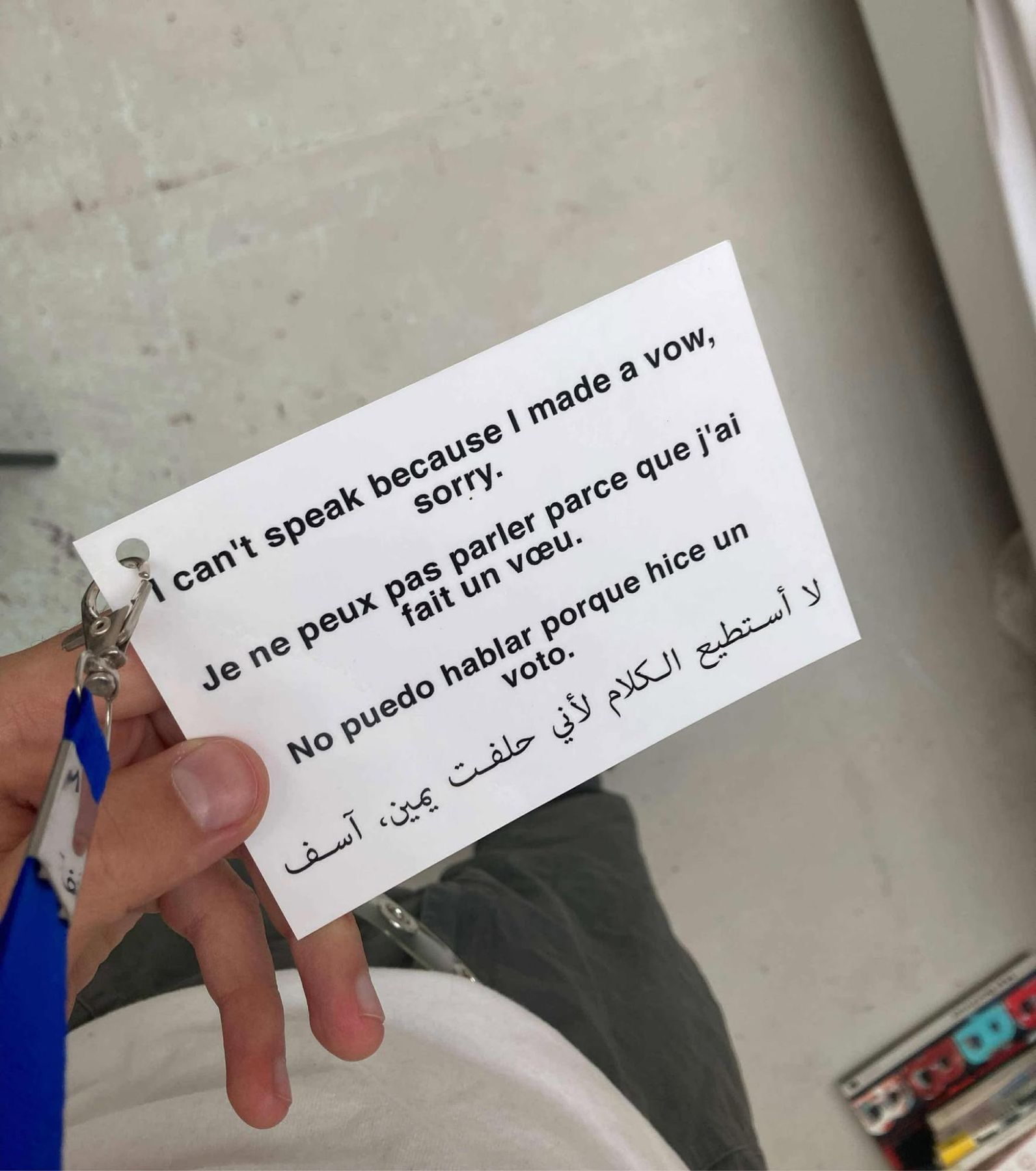
Two years after the RCA, I made my first performance by eating a yoghurt every day for 100 days. Now, almost six years later, I work exclusively in performance, which I think of as a ray of hope for exactly the opposite of what the RCA stood for. And I am lactose intolerant.
Looking back, my time at the RCA felt like standing on a precipice. I glimpsed Vivienne Westwood walking to her nearby studio and felt only a step away from real greatness. By comparison, my year has some claim to being one of the last good ones: we were the second-last to receive a full two-year degree. The subsequent halving of the course is, to me, a disgrace: the only thing you can do in just a year is market what you already have. Yet perhaps understanding why some advocate for a shorter MA reveals something about what the RCA has come to represent.
So what did the RCA truly offer us? The answer is simple: London. Every London art school ultimately promises the same thing.
Framed this way, there is a certain shared understanding, because I have rarely met an RCA graduate who talks about it simply as a school. I certainly stopped thinking of it as one. To me, its university language often felt like a euphemism for something closer to paying for access to ‘London’, the great symbol of having a chance.
After finishing my bachelor’s in Budapest, I faced a dilemma: where is art actually made? “Everywhere” is too glib; an answer only someone from a global hub would give. “Nowhere” might be closer to the truth, but in the end, I settled on London. I associated Berlin with a tyranny of curators and wall texts, and other cities too seemed to lack one thing or another. Some were simply too far away, required a language I did not know or, worst of all for me, were in the US.
Picking a school was easy then. I chose the RCA because of the ‘Royal’ in the name. This made sense to me at the time, as the typical way you use your diploma after graduation is to name-drop it in conversation, meaning it has to sound good more than anything. The late-medieval ‘College’ nestled between ‘Art’ and the royal seal seemed as prestigious as Britain could offer.
Besides the name-dropping, it is a heart-warming experience to mock the RCA alongside its alumni at openings. I, for one, still get angry when I think about how little attention and support I felt we received: tutors who often seemed absent, studio space that appeared to keep shrinking, and the considerable differences in what students were charged depending on their fee status.
Despite all this, we made the most of it: learning from each other, making friends, finding different keys to different locks. More importantly, shortly after we graduated into the post-Covid world, a much better and more exciting art world started emerging, thanks in part to RCA graduates at all levels. Perhaps a period of isolation was necessary for that renewal.