The Gentlemen Behind Investment
Four men, four disciplines, one investment house: Diagram Capital in the heart of the City of London.
Standing on Threadneedle Street with the Bank of England behind you, its monumental stone façade gives way to the glass silhouette of the modern City of London rising beyond. Yet once you turn your gaze towards Mansion House, the route ahead almost maps itself out.
Walk along Poultry past The Ned, then continue down Cheapside towards St Paul’s. On your left lies Crown Court, and within it a building with the unexpectedly aristocratic name of Cheyne House. If you could peek through the second-floor windows, you would catch a glimpse of life inside the offices of Diagram Capital.
Walk just a few minutes further and the entire character of the Square Mile seemingly gathers around you. Bloomberg Arcade, the medieval Guildhall and banks from across the world; the geography of global finance compressed into a handful of city blocks.
This is where the story of Diagram Capital begins. Or, more precisely, the story of the four gentlemen behind its investment decisions.
Meet Jim Tatchell, the CEO
At first glance, Jim Tatchell could be mistaken for a British Steve Jobs. In reality, the resemblance ends almost as quickly as it begins.
As CEO of Diagram Capital, Jim operates largely where the company meets the outside world. In the close quarters of the City, six degrees of separation can quickly become two. Jim has a firm handshake, and much of his work begins there: with institutions and infrastructure partners.
A former bond trader, he later held senior roles at Saxo Bank and founded Circadian FX, building more than three decades of experience across trading, foreign exchange, payments and asset management.
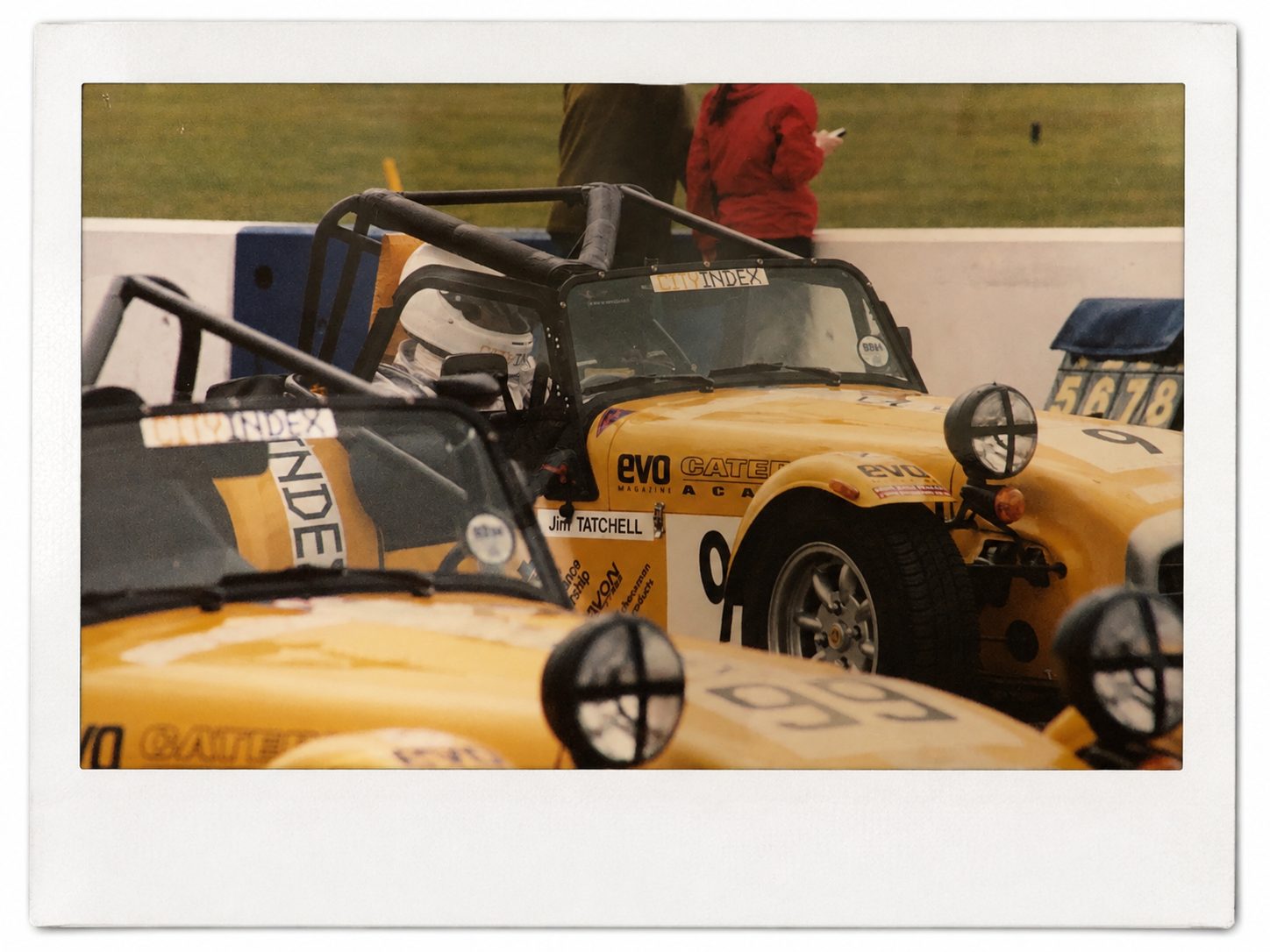
Away from finance, Jim once held a racing licence and competed in the Caterham Roadsport Challenge. Inspired by his father, an aeronautical engineer, he later earned his pilot certificate and would fly with his young sons. Both pursuits appealed for much the same reason: concentration, perspective and the ability, as Jim puts it, to “zoom in and zoom out”.
He is also a trustee of his local food bank and a co-founder of Helping Herts, supporting charities working with children and young people.
Meet Leonid, Managing Director
Leonid’s professional background spans private banking, real estate, investment management and entrepreneurship.
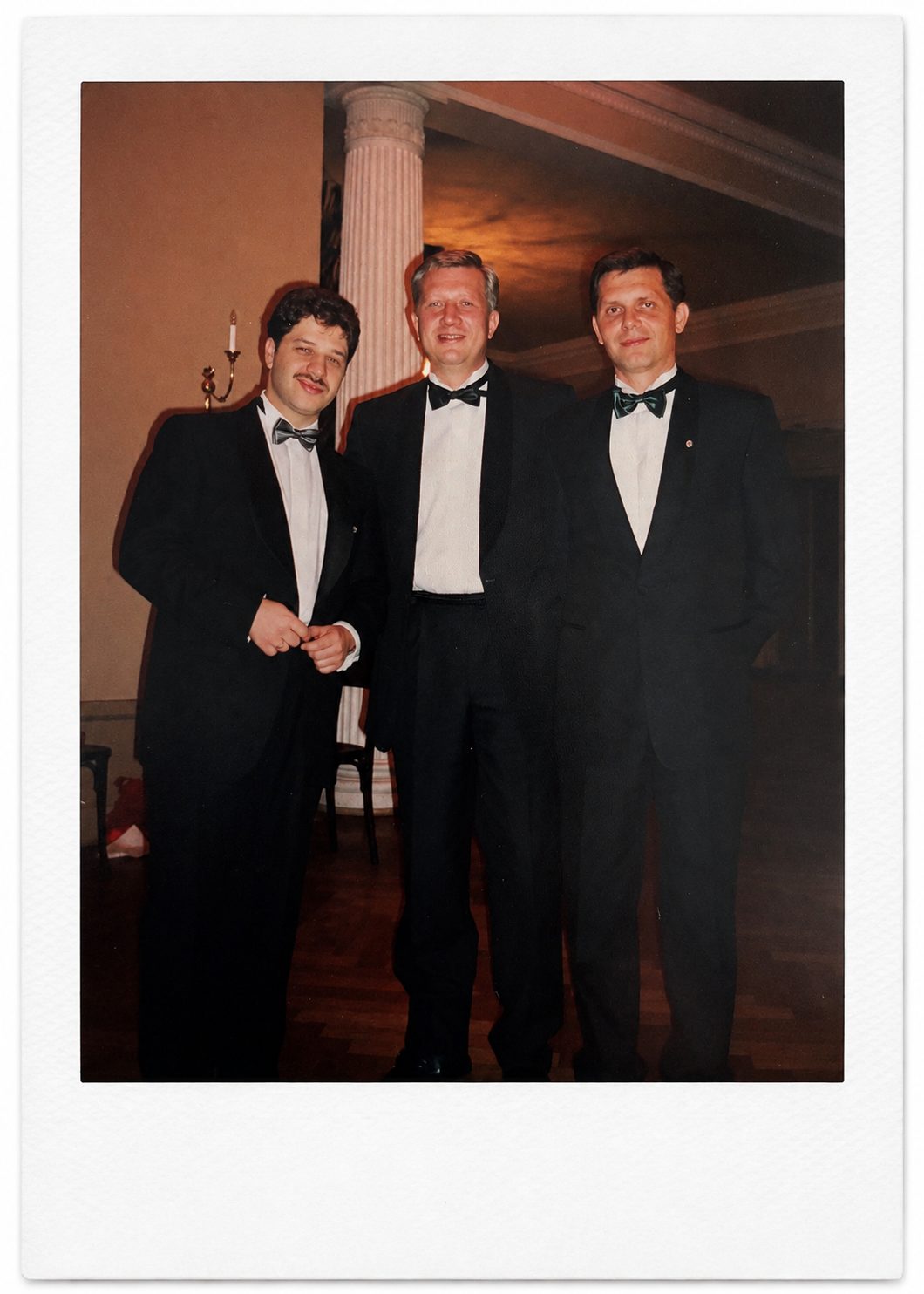
His career began in banking, progressing from regional management to a senior position at one of the region’s largest private banks. A move into real estate followed, eventually leading him to become a co-owner of Baltic Sotheby’s Real Estate. Working at the top end of the market brought him into contact with both exceptional properties and the network of people behind it: from established European families to a new generation of private wealth.
His interests later extended to Forbes in the Baltics, where he became an investor, with a particular interest in establishing a platform for entrepreneurs and investors to exchange ideas and experience.
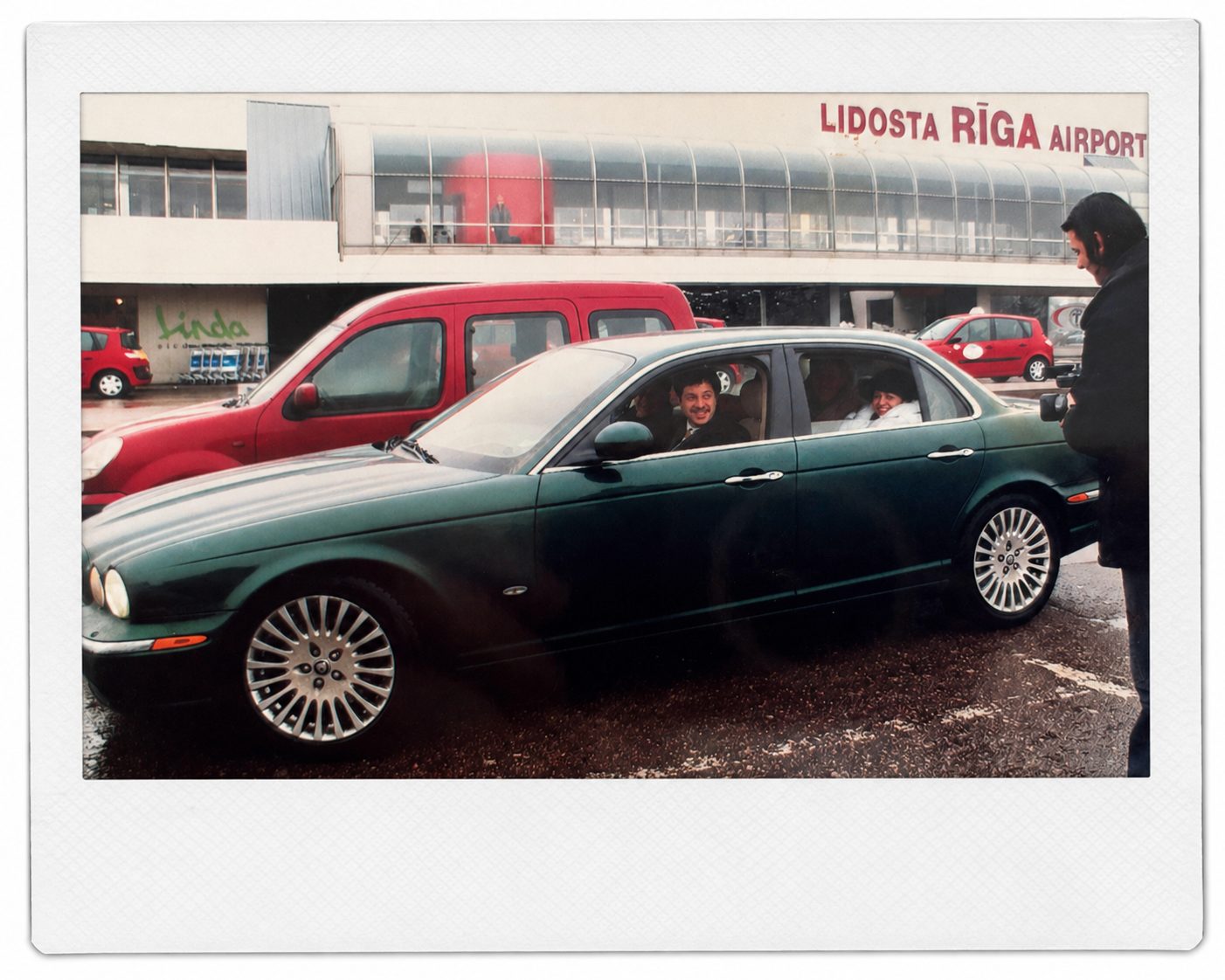
The next chapter was London. After acquiring Diagram Capital, Leonid grew involved with a number of global fintech companies, both as an investor and in executive roles.
Today, as Managing Director of Diagram Capital, he brings combined experience from both financial and real assets, alongside a long-standing interest in how businesses, markets and people operate across various regions and countries.
Meet John, the MLRO
John’s perspective on risk was formed long before compliance became part of his title.
He spent much of his career in London and New York managing substantial fixed-income portfolios across the credit spectrum, with roles at Bankers Trust International, Banque Paribas and Credit Suisse First Boston. Later, he co-founded and ran Observatory Capital Management, a London-based hedge fund.
Several market crashes and credit crises left their mark. The lesson he returns to most often is liquidity: an asset may look sound until a crisis arrives and the market for it disappears. For John, that experience bred a useful degree of scepticism; particularly towards leverage, exuberance and the belief that this time will somehow be different.
Today, as Director and MLRO at Diagram Capital, that instinct is applied from another angle: not simply assessing opportunity, but questioning what hides behind it.
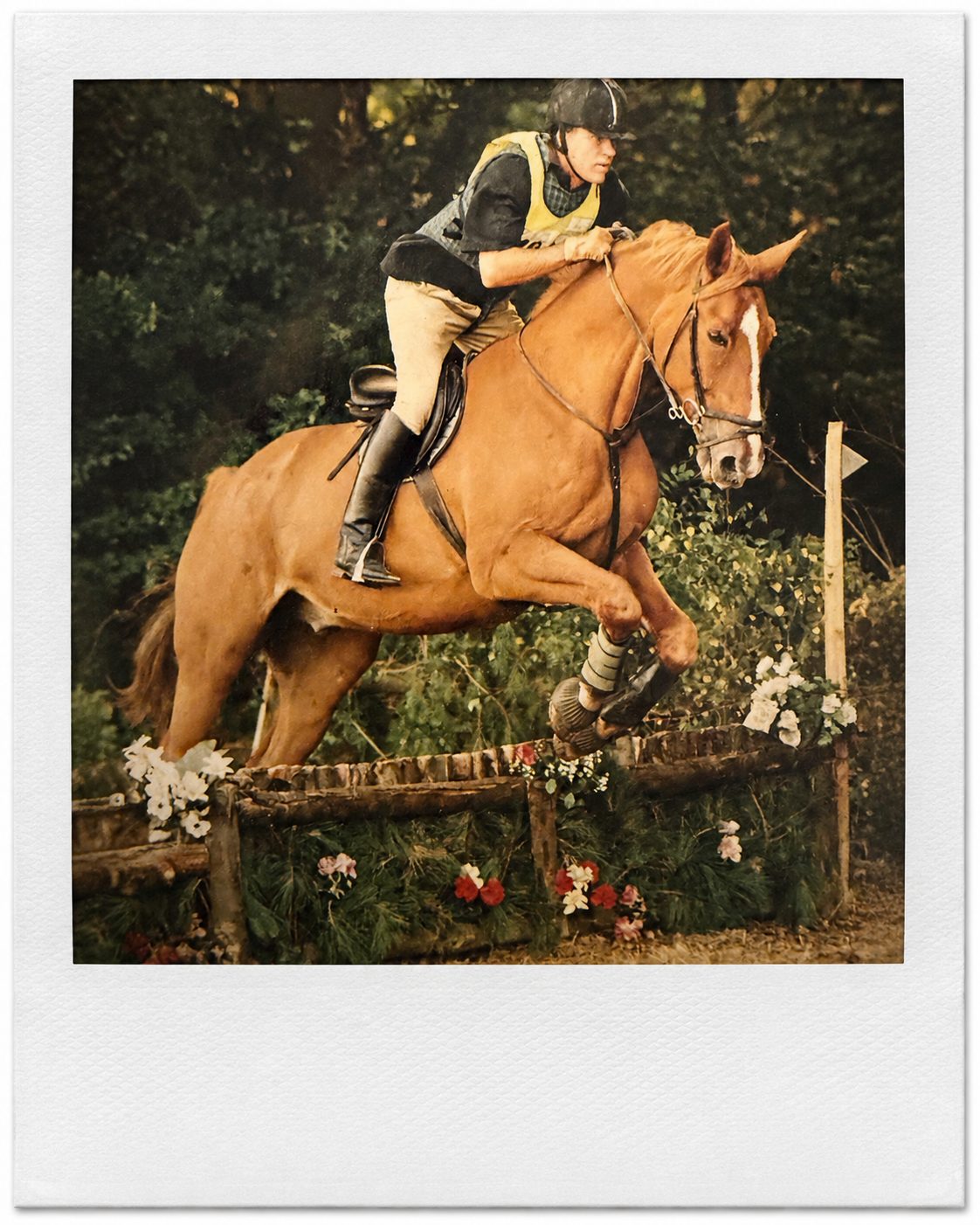
Outside finance, his interests have traditionally been equally British in character: equastrianism, tennis, shooting and skiing. He once kept his own stables and spent time shooting across the English countryside; these days, tennis remains as a major hobby, while horseback riding and shooting have largely given way to walking and hiking.
Meet Herky, the Director
Herky has been part of Diagram Capital since its beginning in 2016, yet his perspective on financial markets started developing considerably further.
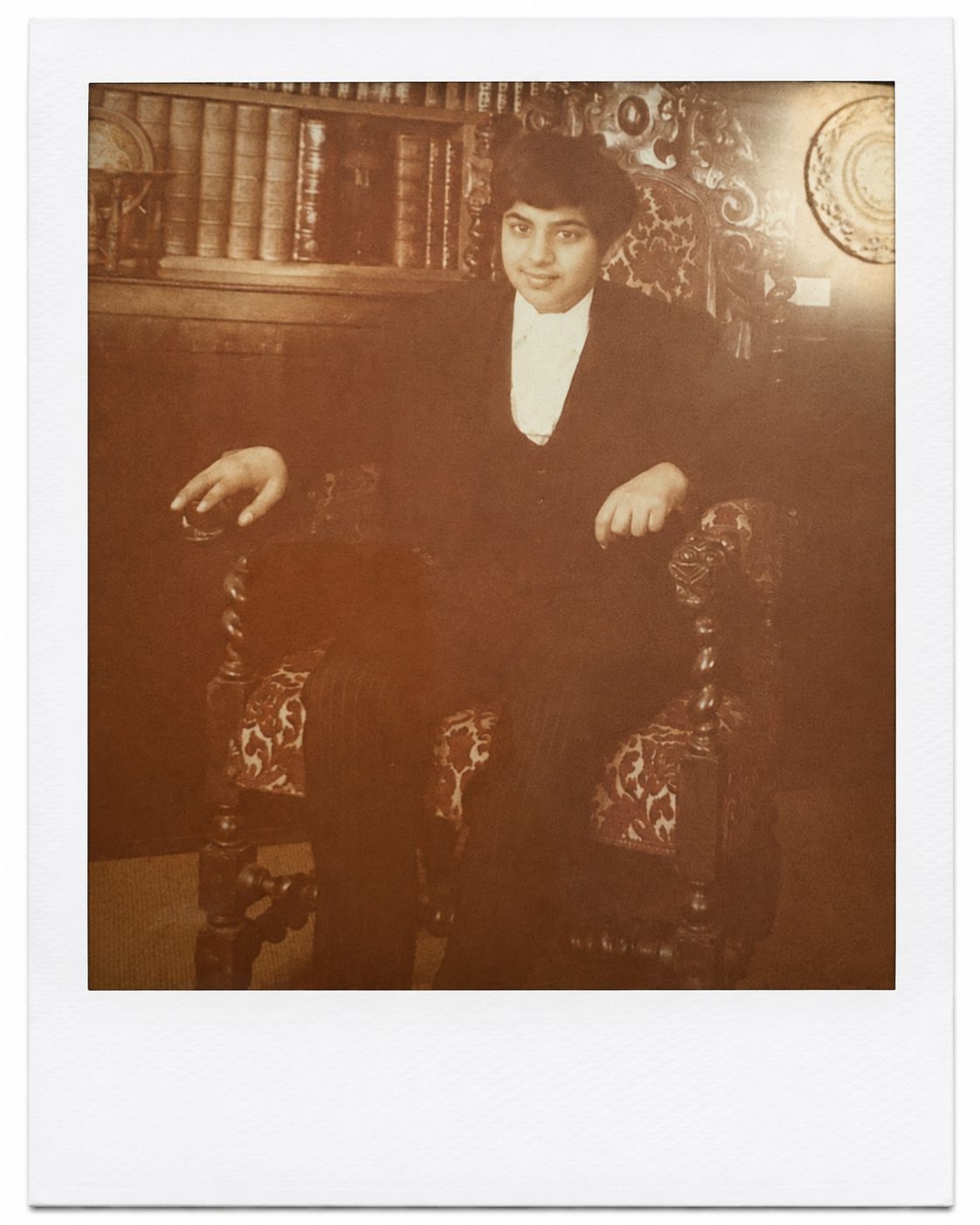
Trained as a lawyer and barrister, he entered the market in 1982 and has spent close to five decades watching them evolve. He worked for J.P. Morgan for ten years, alongside roles at other international institutions, whilst living and working across London, New York, Madrid, Paris and Japan. He was also present for the City’s Big Bang, when deregulation began reshaping London into the global financial hub as it is recognised today.
At Diagram, his role has progressed towards corporate governance, compliance and AML: making sure, as he puts it, that things are done professionally and properly. After a career spanning several markets and regulatory eras, there is little romance in cutting corners.
Travel remains a significant part of his life, largely for the people, cultures and ways of thinking it exposes him to. But family now provides another kind of perspective. With four children and a growing number of grandchildren, he speaks less about passing on wealth than passing on knowledge, judgement and, above all, the importance of becoming an even better person.
What does modern luxury mean to you?
Jim: Modern luxury is having space and control over your time. I value being outdoors, whether cycling across London or walking in Hertfordshire, Wales or the Lake District.
It also means being able to give time to things that matter. Over the years, I have taken part in long-distance charity walks supporting causes for children. For me, luxury is simply having the freedom and ability to divide my time well between my work, social life and the outdoors.
Leonid: Modern luxury is access: to technology, to the freedom to move easily around the world, and to genuine personal service whenever and wherever needed. Yet there is a much subtler luxury behind it all, one much less accessible: being treated with the same level of attention and respect without having to prove who you are, where you come from or what you have achieved.
John: Modern luxury is ease and spontaneity. Living in London, you can arrive at St Pancras and, within a couple of hours, be in Paris or Brussels, without turning the journey itself into an ordeal.
Herky: For me, modern luxury is experience. It is less about being pampered, staying in luxury hotels or drinking fine champagne, and more about having the freedom to explore, learn, see different perspectives and try something new.
Good food and beautiful places are certainly part of life’s pleasures, but the real luxury is having enough curiosity to enjoy a new experience when it comes along.
On personal archives: what do you collect, and which piece of your collection do you treasure most?
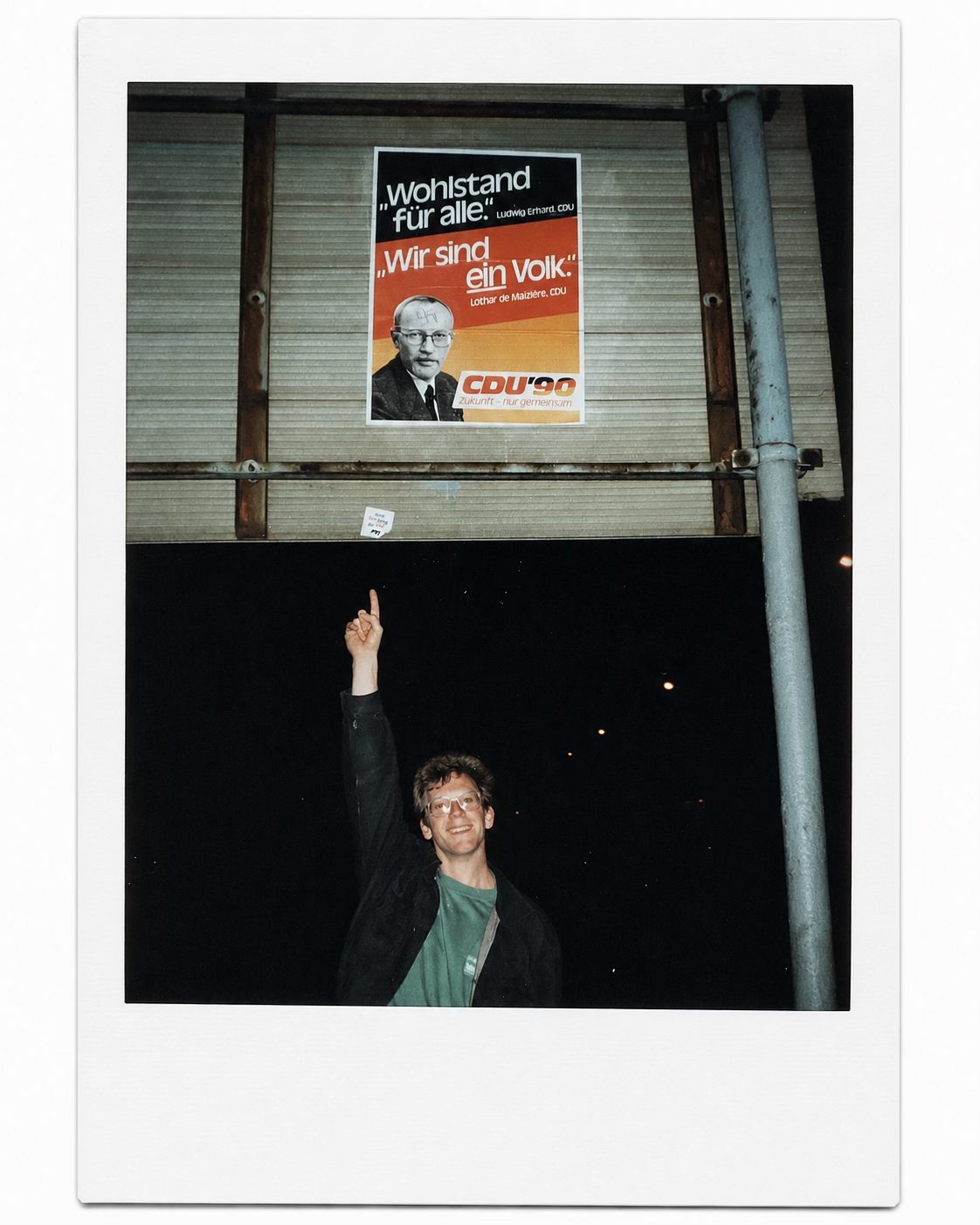
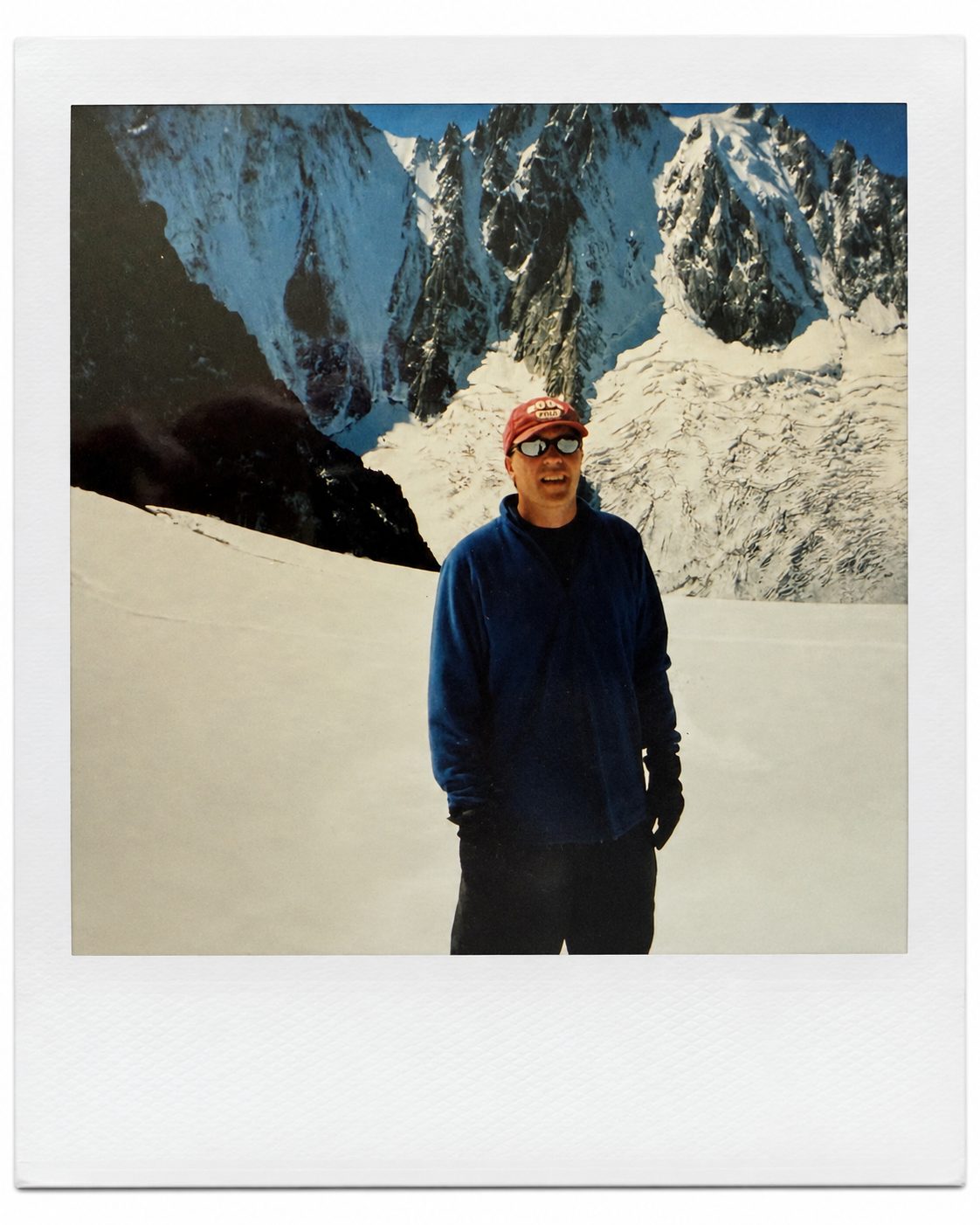
Jim: have never been much of a collector, however, beside my desk sits a piece of the Berlin Wall that I chiselled out myself in November 1989, as the Wall was coming down.
What I treasure most is the memory attached to it. A young Berliner who had crossed from the East helped me break away the concrete. He had never met anyone from the West before; I was the very first. There was an extraordinary optimism in that moment: a sense that people who had been separated for so long could simply meet, talk and learn about one another.
I have kept the fragment ever since. It reminds me that different nationalities, backgrounds and experiences need not keep people apart; and perhaps explains some of my enduring faith in the importance of personal relationships.
Leonid: I have never fit into the narrative of a conventional collector. Golf, poker and the usual hobbies never held much appeal for me; perhaps because I have always preferred interests that also teach me something about the world.
More recently, I began collecting commemorative silver coins. What peeks my interest is that they form a kind of miniature historical record: through the events they commemorate, countries and cultures they reference, you can trace how the state transformed and how its relationships with the wider world changed over time.
The piece I am particularly fond of depicts a Hanukkah lamp from Prague. It is remarkably delicate and understated; beautiful without trying to be so. I like the symbolism too; the idea that even a very small light can endure, and continue to illuminate something long after the moment it was first lit.
John: I have always had an interest in art, perhaps because I have never thought of myself as a particularly conventional banker or financier.
One artist whose work I collect is Belinda Wilson, a photographic artist and former fashion model. Her Theatre of One series is caught my eye because every element is created by her alone: she is the subject, the photographer and, effectively, the entire production. She travels to remote locations with the costumes and props, sets the scene, triggers the camera herself and appears within these rather mythological landscapes. There is no large production team hiding behind the frame.
I connected with her work immediately. Of the pieces I own, Intuition is the one I would choose above the others. There is something about its atmosphere and the world it creates that stayed with me from the beginning. Perhaps that is what I respond to most in art: it operates beyond the reach of reason and rationality, complete in its own unspoken truth.
Herky: My formative years were deeply shaped by my family’s focus on music and art. My father was a violinist and an art collector; therefore, I was fortunate to be surrounded by both from an early age.
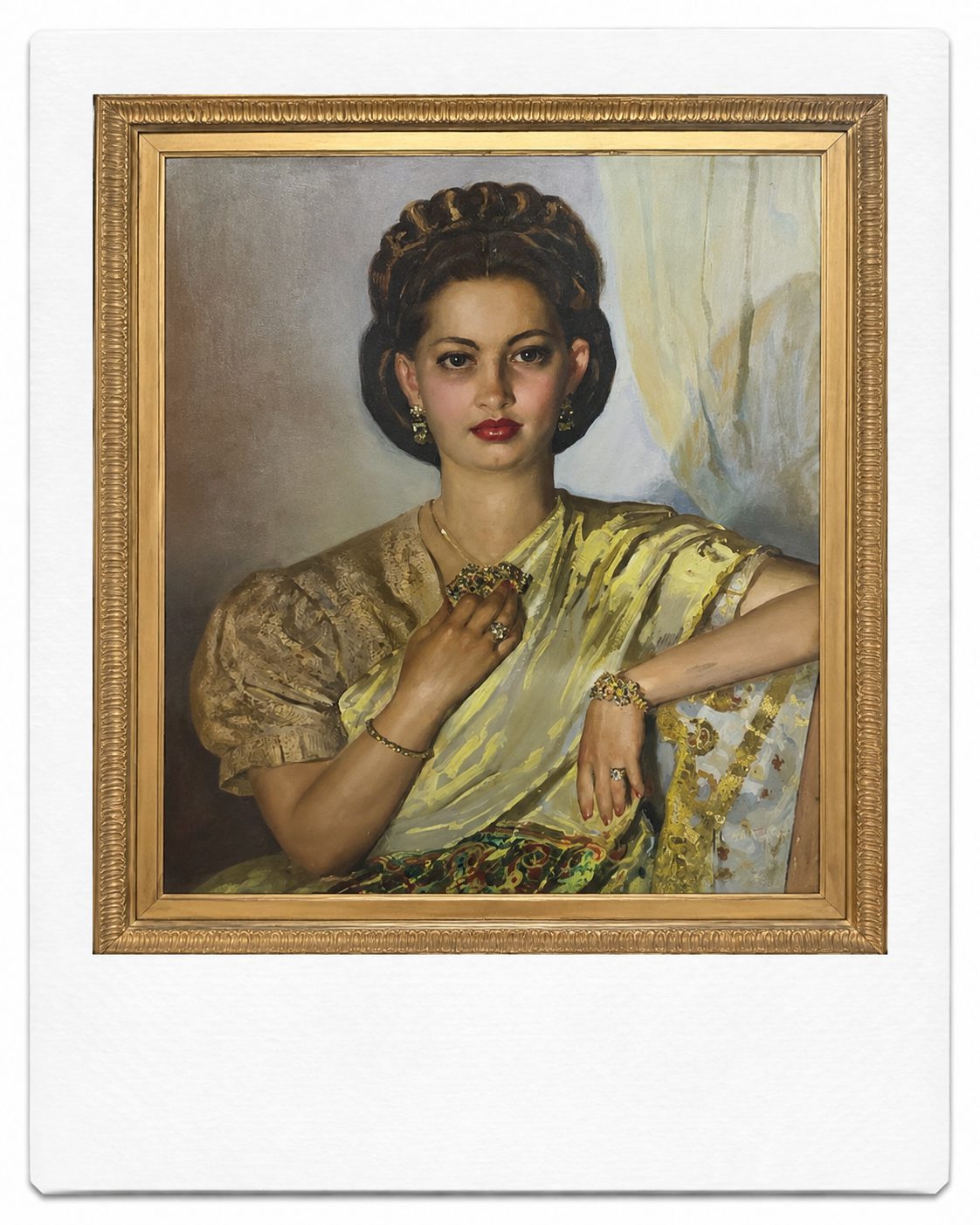
The piece I treasure most is a portrait of my mother painted in 1951 by the Spanish artist Cruz Herrera. He had left Spain during the Franco era, and my mother travelled to Morocco to model for him. The portrait has remained in our family ever since.
Recently, I took it to the museum dedicated to Cruz Herrera in La Línea, near Gibraltar. After long years of enjoying it privately, there is something rather special about including other people in the experience. Of course, there is a certain pride in that: it is a beautiful work of art, but it is also my mother.
In an increasingly fragmented world, what does preserving wealth require beyond good returns?
Jim: If you have lived through enough market cycles, you learn to recognise the difference between what can establish long-term authority and return, and what is being carried purely by short-term excitement. We have seen that pattern repeatedly: from the dot-com boom to more recent digital assets.
Leonid: Returns are only part of the equation, not necessarily the most important part. The very first objective is to preserve purchasing power. That means taking inflation into account not as an abstract concept, but in relation to where you actually live, spend and use your capital.
For substantial wealth, preservation can be as complex as generating wealth. Liquid assets may be easy to value and move, however, they are also more exposed to changes in regulation, taxation and jurisdictional rules. Therefore, simply expanding capital is not the main priority; preserving it while maintaining access is just as crucial, if not more.
Ultimately, wealth is not just about having money. It is about having access to it whenever needed, in the right place and at the right time.
John: Preserving wealth requires a degree of conservatism. There is a great deal of focus on maximising returns, often through leverage, but leverage magnifies losses just as efficiently as gains.
Herky: Preserving wealth is not only about capital. It is also about what you pass on with it: judgement, values and the ability for the next generation to make something of their own. In my experience, simply leaving children as much money as possible does not necessarily serve them well.
From an investment perspective, diversification remains essential. I am interested in new ideas and particularly in entrepreneurs, but not in putting everything behind the latest trend. I prefer to stay curious, understand what I invest in and remain actively engaged with it.
At the end of the day, whilst wealth should provide security and opportunity, it should also leave room for purpose. The legacy matters as much as the return.
To speak with the gentlemen of Diagram Capital: +44(0)2037505503 info@diagramcapital.co.uk www.diagramcapital.co.uk