Three Objects at the Archive Room
"Archive Room’s mission is to ignite curiosity in Riga and beyond, shining a spotlight on archival fashion and the ideas woven into it."
One of the most inspirational aspects of Virgil Abloh’s legacy was his idea that every person can create their own fashion brand. He believed that the gateway to entering the luxury fashion world could be made as accessible as possible. This, however, eventually resulted in thousands of generic Instagram brands that diluted the idea of meaning in modern fashion. This made authenticity an almost impossible challenge for any brand, overwhelming the market with hundreds of tacky graphic designs on blank clothes.
When the whole system is built to expose people to as much quick content as possible, society’s attention span unsurprisingly starts to fall short. After all, the algorithm is intended to keep people in a state of tension, influencing their opinions and decisions as consumers.
People forget what art and fashion are about.
They forget that these are among the things that make us human. Artists and designers create not only for materialistic reasons such as fame or money, but because they feel an unavoidable need to create.
While this undoubtedly is an industry, it is not solely about making a profit. Moreover, it is primarily about artists and designers who are just like little children exploring the world around them. They cannot help but comment on this world through their work.
Modern society is hungry for a new kind of sincerity, one that brims with meaning and life.
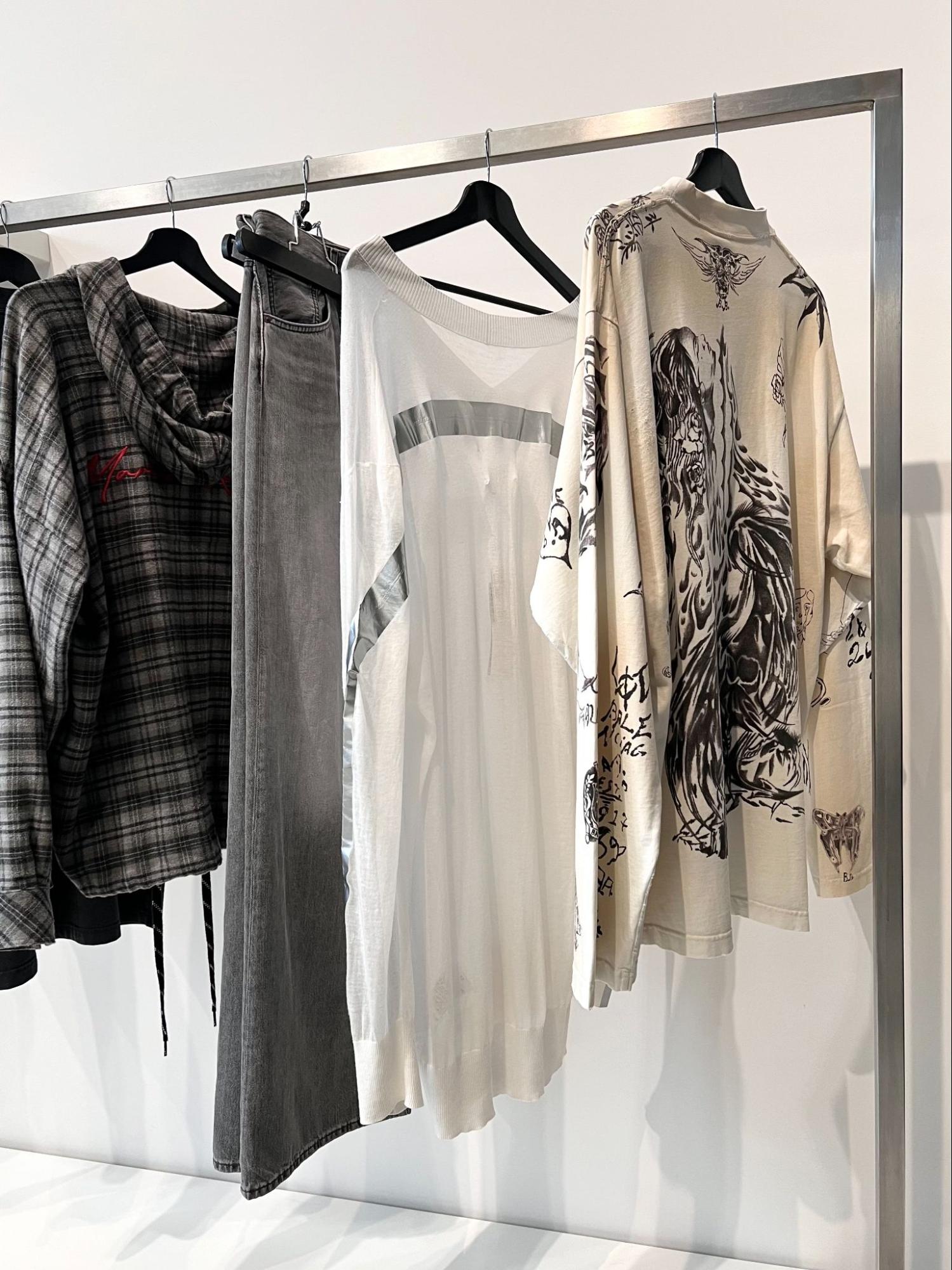
Archive Room is not just a concept store selling collectible archive pieces and championing sustainability. It is a movement in the making, born in Riga and dedicated to the age-old quest to figure out what it means to be human through fashion and art in this cruelly complicated yet achingly beautiful world.
Archive Room’s mission is to ignite curiosity in Riga and beyond, shining a spotlight on archival fashion and the ideas woven into it. The goal is to give people a chance to feel connected to art and fashion, and to spark change through the expression and inspiration they discover at Archive Room.
Step inside the store’s historic 19th-century home at Vaļņu Street 1 in Riga, Latvia, and you will find one of the world’s finest selections of archival pieces, formed from Archive Room’s own collection, treasures from the owners’ personal troves, and consignment gems from community members. Together, these pieces spin a visual and conceptual story. Every detail, from the interior to the music, is curated to whisper tales of history, rebellion, cultural diversity, and the relentless desire to experience the world in all its depth.
Archive Room is creating its own universe by building a community that shapes itself through collective experiences of research and experimentation. These include music events in collaboration with fashion showcases to present pieces from new collections, film nights dedicated to cinematography interrelated with specific pieces, documentaries about art and fashion, discussions and debates, and much more.
Selling well-known avant-garde and bespoke designer pieces is not Archive Room’s only objective. Archive Room also provides opportunities, support and a platform for young and emerging artists and fashion designers who intend to push boundaries and tell their own stories through their creations.
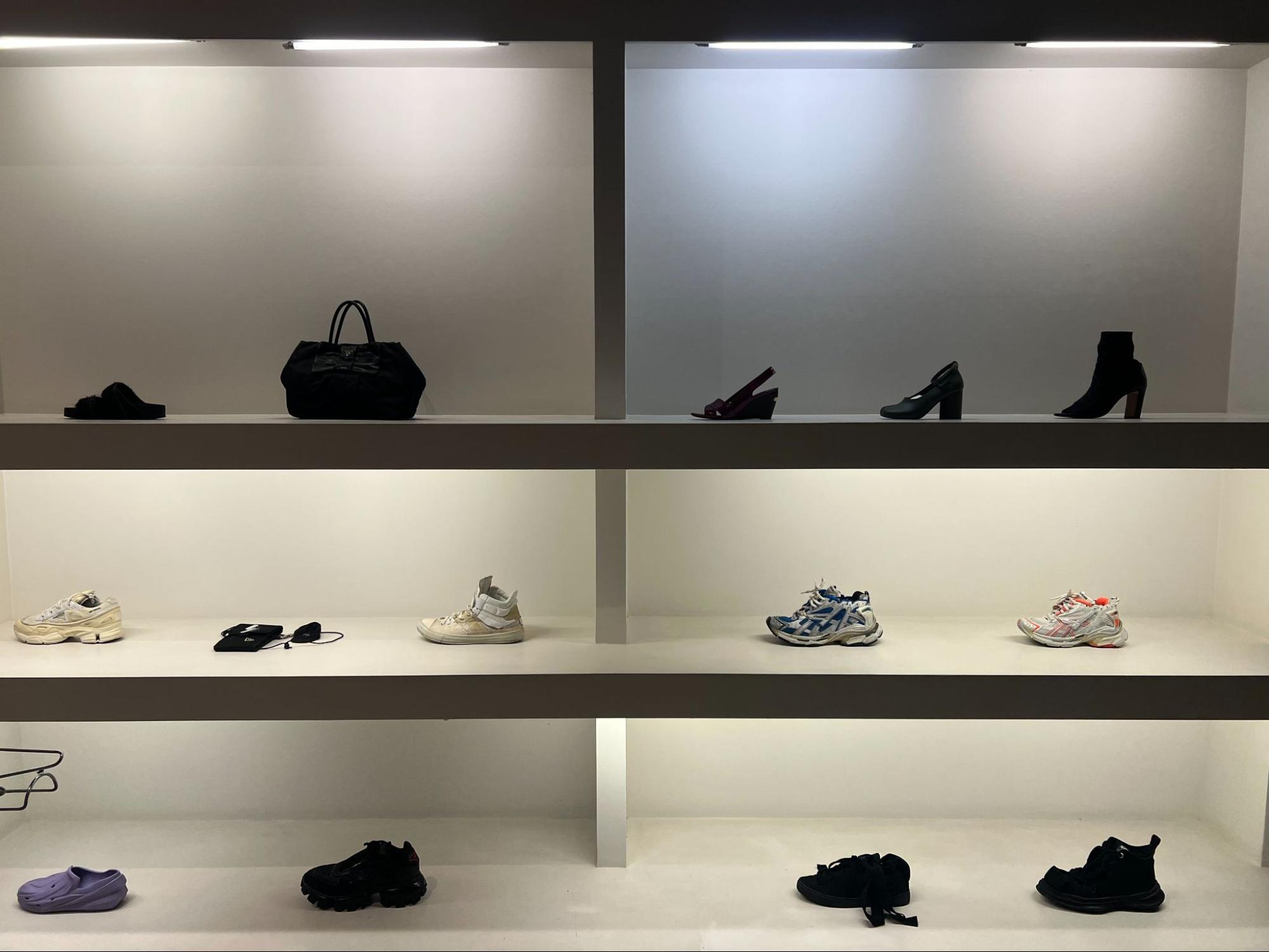
3 pieces that can be found at Archive Room:
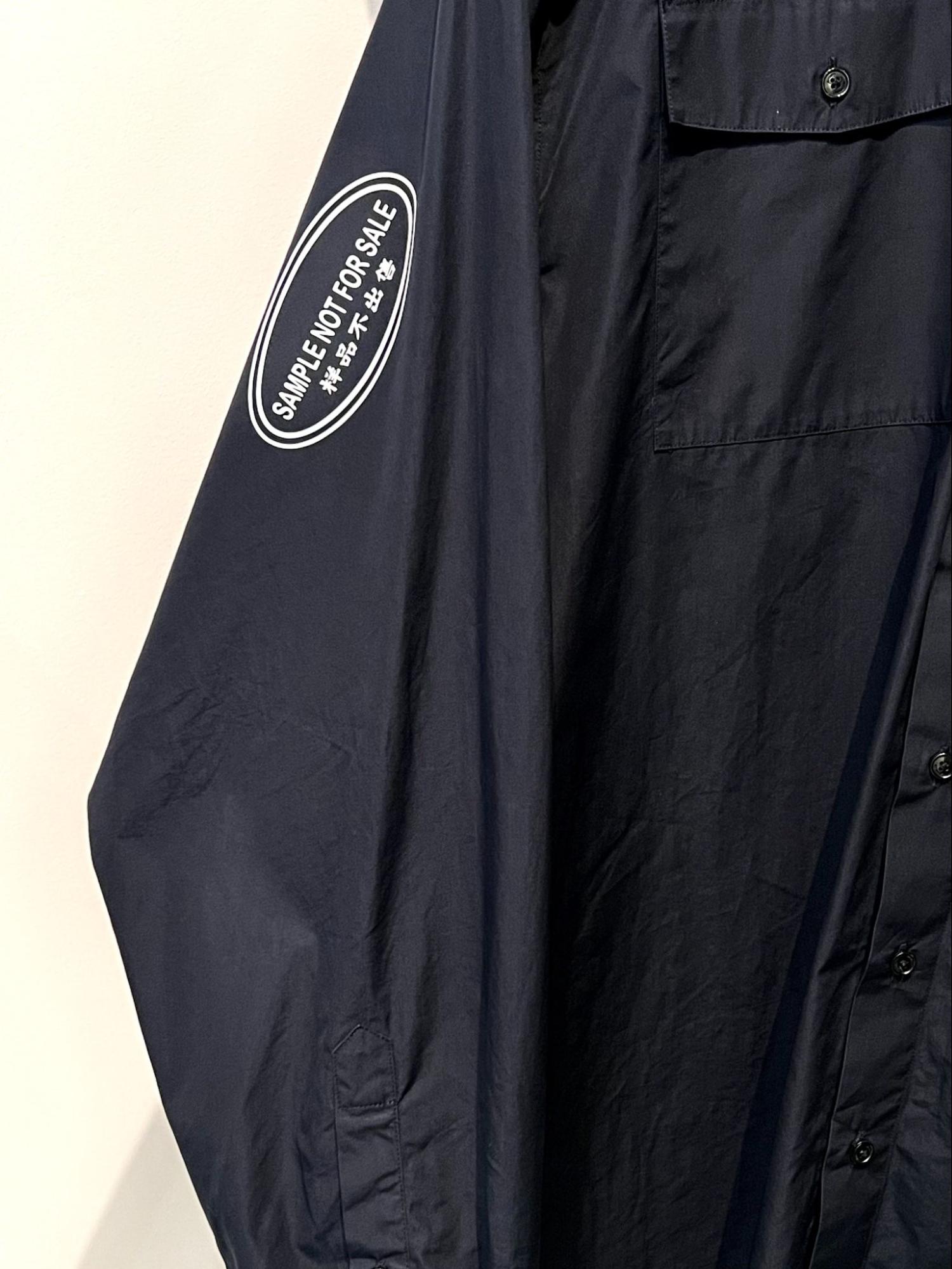
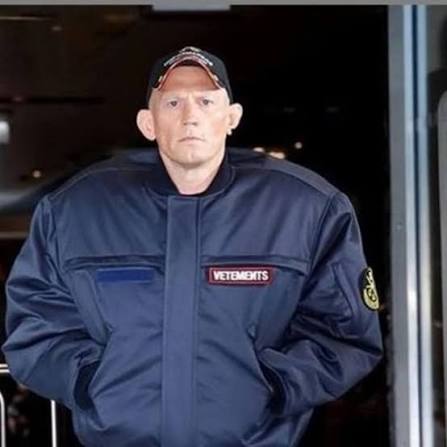
Vetements Police Jacket
The Vetements police uniform shirt is a runway piece from SS20, Demna Gvasalia’s final collection as creative director of Vetements, the brand he co-founded with his brother, Guram Gvasalia, who later took over as creative director.
The show was held at the Champs-Élysées branch of McDonald’s. The vegetarian designer reinforced his anti-capitalist ideas by cynically and satirically using the logos of major corporations, offering guests Coca-Cola paper cups at the show.
At the same time, he was raising the broader topic of power: the unreasonable control some people have over others and the dishonest ways it can be used.
Since the item was released and presented at a show in 2019, and considering the association of the piece with the issue of abuse of power, we consider it particularly important culturally and geopolitically, something that became increasingly relevant in the years that followed.
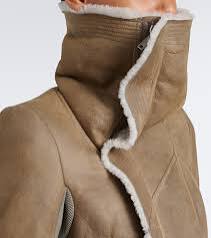
Rick Owens 2008 Shearling Jacket
This item is a grail, 18 years old, made of lambskin, and a reminder of the transformation Rick Owens’ style has undergone over the years. Made in his old factory, Olmar and Mirta pieces are highly valued by collectors.
It was created during a period when Rick Owens was still working with a slimmer silhouette, reflecting one of his core philosophies: seeing the human body and the surrounding natural world as sculptures, masterpieces in themselves. Through constant experimentation and a determination to master craftsmanship, Owens developed a language that continues to evolve while remaining grounded in its foundations.
By combining a naturally narrow silhouette with a more futuristic appearance, he created a piece that feels timeless and continues to be appreciated within a true collector’s wardrobe.
The FW18 collection this piece is from generally explores topics of drug abuse, the opioid crisis, and young people turning to narcotics as a means of escaping a harsh reality they find themselves in but cannot fully comprehend. By raising awareness of these issues and their causes, Raf Simons constructe
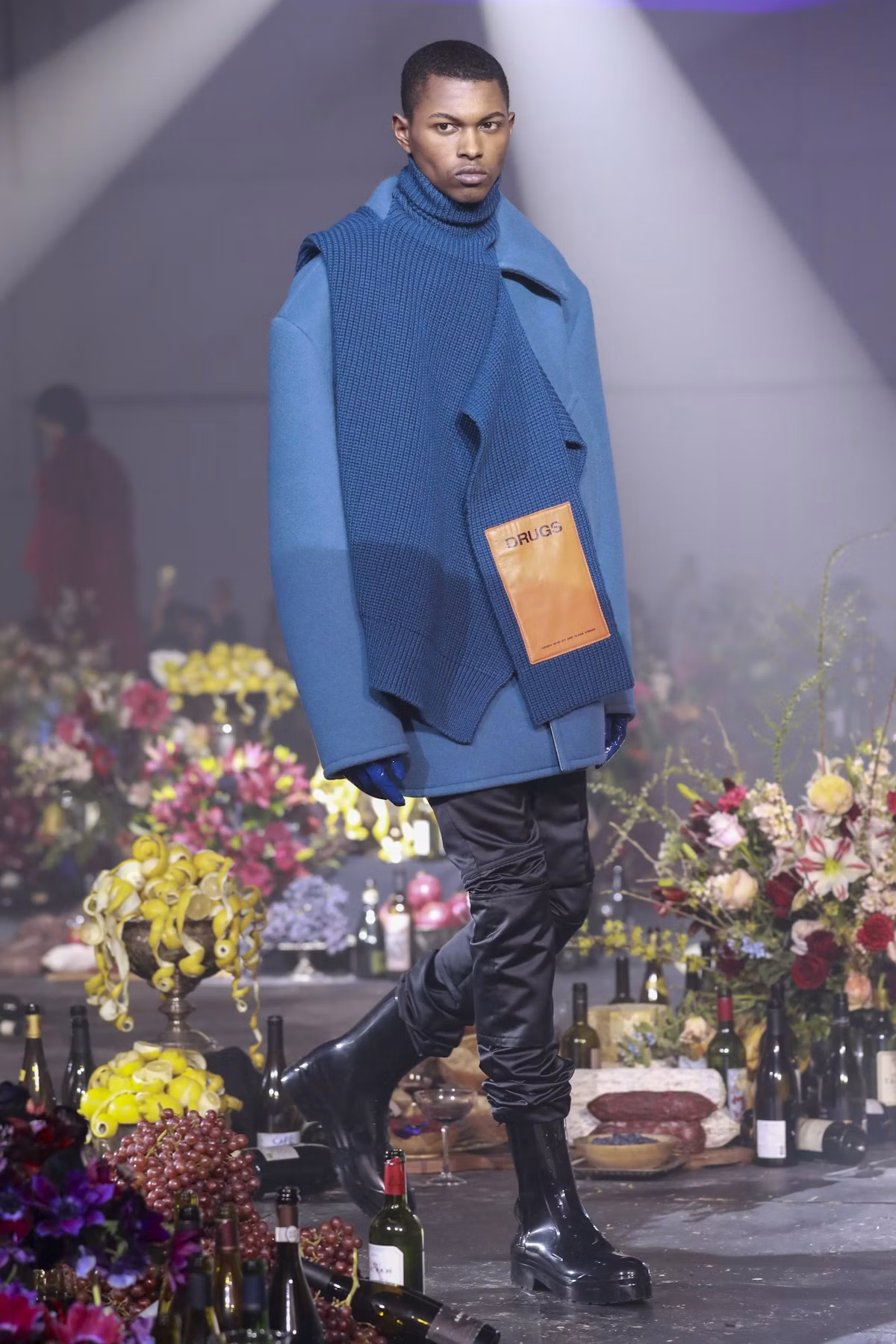
Raf Simons ‘Drugs’ Single-Panel Turtleneck
This avant-garde single-panel turtleneck is a runway piece from Raf Simons’ Fall/Winter 2018 collection. Transforming the catwalk into a decaying Bacchanalian feast, Raf Simons drew inspiration from Uli Edel’s groundbreaking 1981 film Christiane F., a dark portrayal of teenage life based on the real-life story of Christiane Vera Felscherinow.
After moving to West Berlin at a young age with her troubled and neglectful parents, Christiane became immersed in the city’s drug scene, which eventually had a profound and sorrowful impact on her life. The collection also drew inspiration from Cookie Mueller and Glenn O’Brien’s underground tragicomic play Drugs, a cover of which appears on the sleeves of the turtleneck.
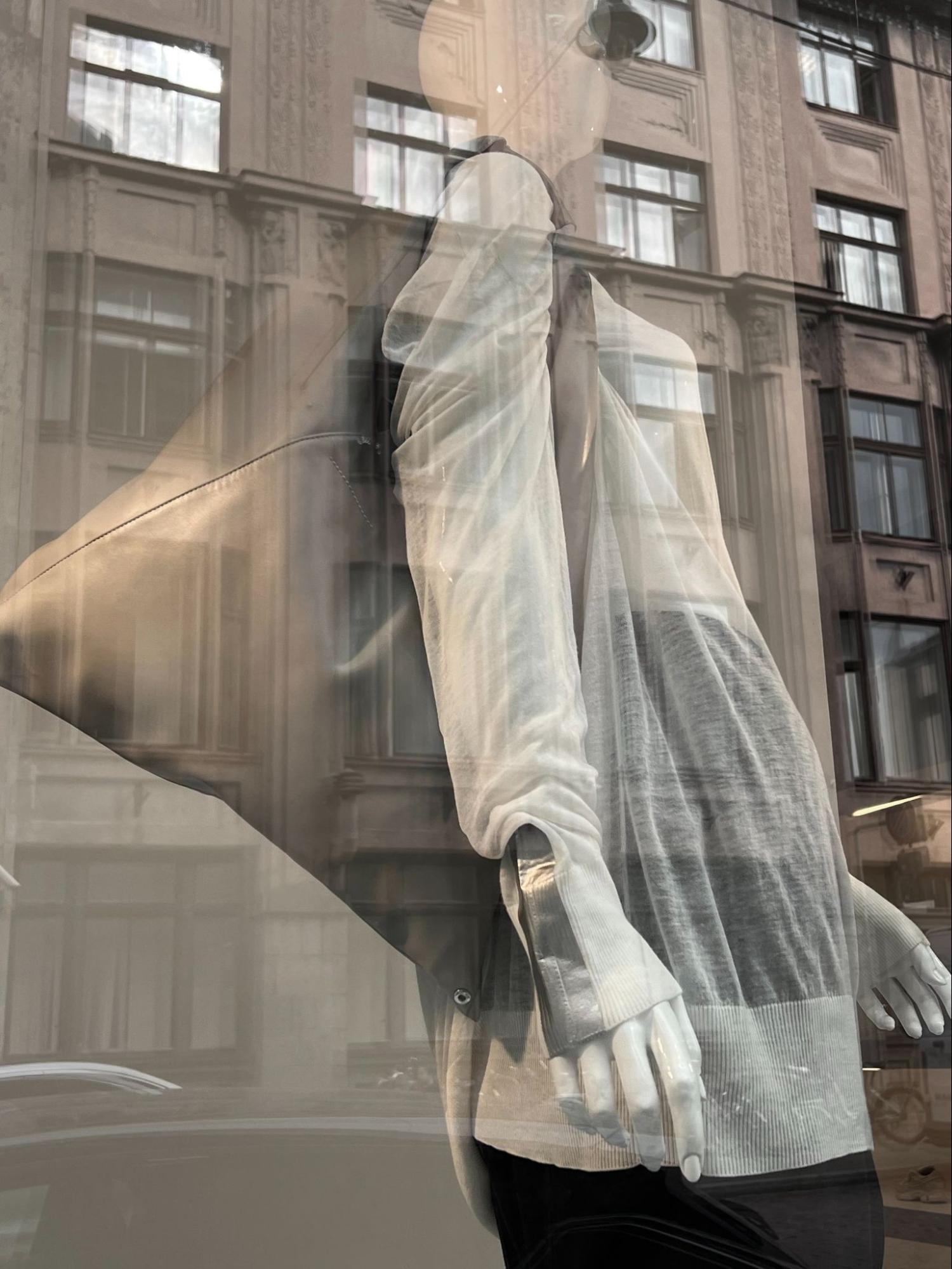
These stories, which become timeless and reflect both struggles and joys that shape human livelihood, are the foundation of Archive Room.
Archive Room approaches archival clothing as more than simply a collection of valuable garments. Each piece carries its own history and significance, while the showroom acts as a mediator, connecting these fragments of fashion history with a new generation of owners.